
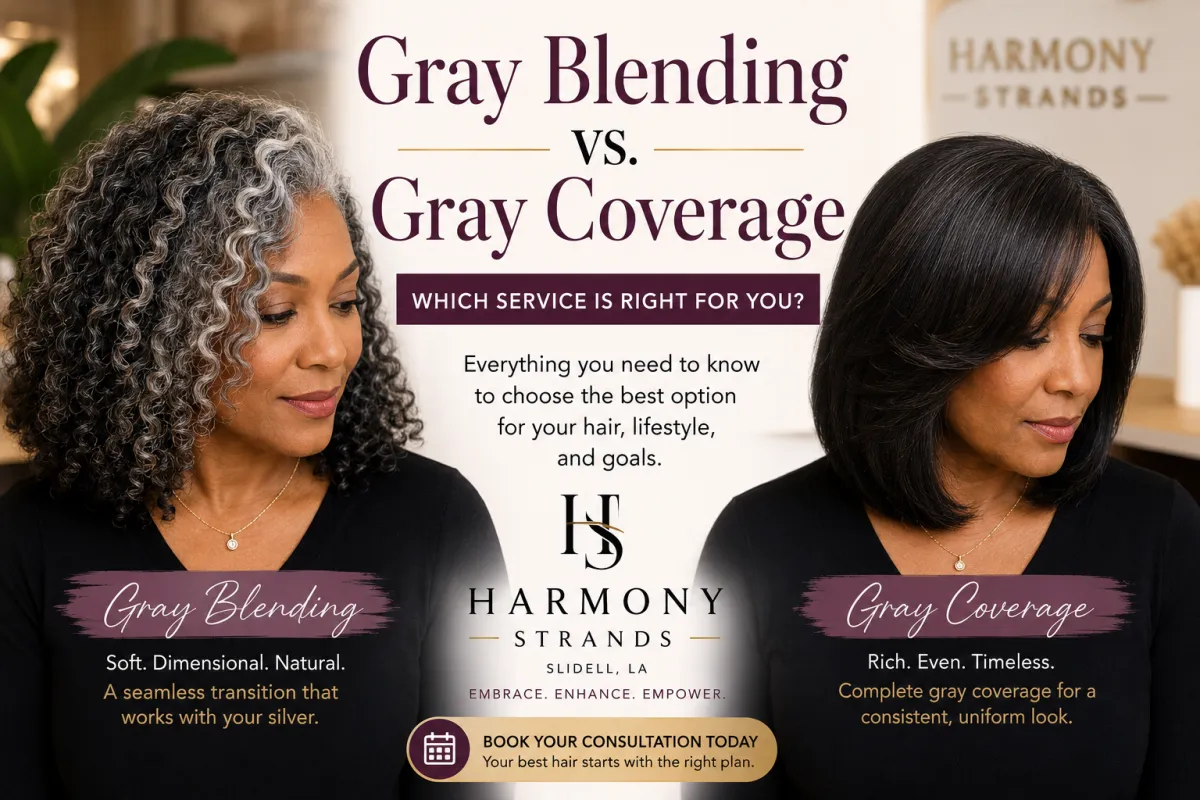
Gray Blending vs. Coverage: Find Your Perfect Match
Hair Color, Gray Blending, Gray Coverage
Gray Blending vs. Gray Coverage: Which Service Is Right for You?
By age 50, roughly half of people are at least 50% gray - but the way those grays show up (and how we feel about them) couldn’t be more personal. Maybe your first silver strand caught the light in a selfie, or you noticed a bright streak at your hairline right before an important meeting. For some, it sparks excitement and curiosity; for others, it triggers a mini identity crisis.
Building on those emotions, it helps to know that you have more than one way to respond when gray starts to appear. Whether you want to embrace your grays, disguise them, or land somewhere in between, two salon services usually rise to the top of the options list: gray blending and gray coverage. This guide from Harmony Strands breaks down what each service really means, how they look and feel in real life, and how to choose the one that fits your lifestyle, budget, and personal style - based on what I see every day behind the chair as a licensed cosmetologist who specializes in gray and silver hair. For even more context on how color services affect your hair’s health, you might also like our post on how to keep colored hair healthy between salon visits.
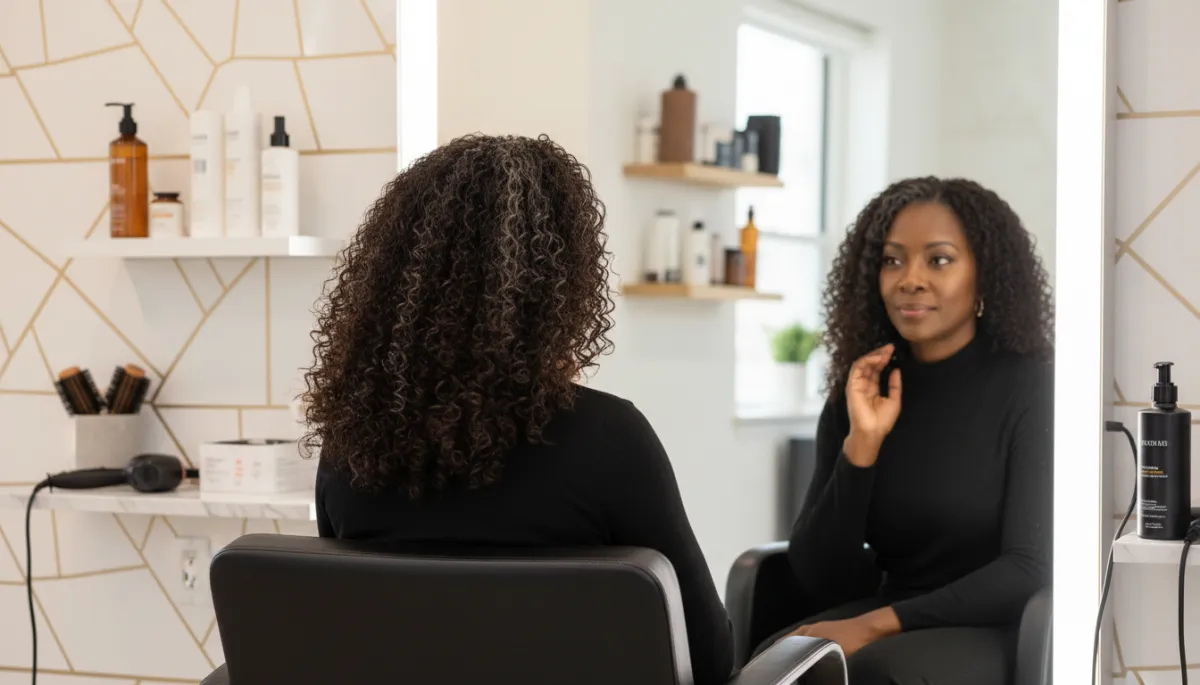
Find Your Perfect Approach to Gray Hair
Understand the difference between gray blending and full gray coverage with guidance from a local gray and silver hair specialist at Harmony Strands Hair Studio.
Why Gray Hair Deserves Its Own Game Plan
Once you start looking at your options, it helps to understand why gray hair needs its own strategy in the first place. Gray hair doesn’t behave like the rest of your hair. It’s often coarser, drier, and more resistant to color. On top of that, it tends to show up most visibly around your hairline and part- exactly where you and everyone else see it first. That’s why a one-size-fits-all color approach rarely works once gray starts to appear. Instead, salons use specific techniques designed to either soften the contrast of grays (gray blending) or cover them completely (gray coverage). If you’re curious about how gray hair texture changes over time, you may also enjoy this deep dive into gray hair texture and care.
With that in mind, the next step is getting clear on what these services actually involve. Before you book your next appointment, it helps to understand what each service actually looks like on your head, how long it lasts, and what kind of maintenance you’re signing up for. Let’s start by breaking down gray blending and gray coverage in simple, everyday terms.
What Is Gray Blending?
Gray blending is a coloring technique that softens the appearance of gray hair instead of fully hiding it. It works by weaving in shades that are close to your natural color - sometimes a touch lighter or slightly darker - so that gray strands blend into a multi-dimensional, natural-looking result. Think of it as turning sharp contrast into a soft gradient rather than erasing the gray entirely. For a closer look at how stylists place color for natural results, check out our guide to balayage vs. traditional highlights.
How Gray Blending Looks in Real Life
To picture gray blending more clearly, imagine this common scenario: imagine you have about 20-*40% gray, especially around your temples and part. With gray blending, your stylist might add:
Fine highlights or lowlights that mimic the natural sparkle of gray, but with warmer or cooler tones that flatter your skin.
Demi-permanent color that softens the gray without fully covering it, so your hair looks more “sun-kissed” than “dyed.”
Tonal glosses that shift your gray from dull or yellow to a prettier silver or beige tone that blends better with the rest of your hair.
The end result still shows some gray, but in a way that looks intentional, lived-in, and often more youthful because of the dimension and shine it adds. You won’t see a harsh “root line” as your hair grows because the color is diffused and less solid than full coverage.
Typical Techniques Used for Gray Blending
Foil highlights or babylights: Very fine, delicate highlights that break up gray and add brightness without streaks.
Balayage or hand-painted color: Color is painted strategically where gray is most visible, creating a soft, grown-out effect that’s low maintenance.
Demi-permanent gloss: A gentle, ammonia-free color that gradually fades rather than growing out with a hard line, ideal for first-time color clients or anyone hesitant about commitment.
If you’re curious about how demi-permanent formulas compare to permanent ones, you may find our breakdown of demi vs. permanent hair color especially helpful before your consultation.
Who Gray Blending Is Best For
People with early-stage grays (roughly 10-40% gray).
Anyone who doesn’t want to feel “locked in” to a strict color schedule every 3-4 weeks.
People who like a natural, effortless look and are okay seeing some gray, as long as it looks soft and intentional.
Clients who want to transition to embracing gray over time, rather than stopping color all at once.
Pros and Cons of Gray Blending
Pros Cons Softer regrowth with less obvious roots. Does not completely hide gray; some silver will still show. Lower maintenance than full coverage; visits can be spaced further apart. May require multiple sessions to perfect the tone and placement. Very natural-looking, especially for subtle changes. Not ideal if you strongly dislike seeing any gray at all. Great stepping stone for transitioning to full gray later. May be slightly more expensive per session than a simple root touch-up because of the detailed work.
What Is Gray Coverage?
Now that you’ve seen how blending works, let’s look at the opposite end of the spectrum. Gray coverage is exactly what it sounds like: a service designed to completely cover your gray hair with a solid, opaque color. The goal is to make gray strands the same color as the rest of your hair so that they essentially disappear. This is usually achieved with permanent hair color that penetrates the hair shaft and provides long-lasting, uniform coverage from roots to ends. If you’re weighing full coverage for a big life event, you may also want to read our article on choosing the right hair color for your skin tone.
How Gray Coverage Looks in Real Life
To visualize gray coverage, picture your hair in its natural shade before any grays appeared-rich brown, deep black, warm blonde, or vibrant red. Gray coverage aims to recreate that look, or a shade you prefer, from root to tip. When done well, it looks polished, glossy, and consistent. However, because it’s a solid color, you’ll notice a distinct line of demarcation (that “root line”) as your natural gray regrows.
At 2 to 3 weeks, you may start seeing gray peeking through at your part and hairline.
At 4 to 6 weeks, many people feel ready for a root touch-up to maintain a fully covered look.
Typical Techniques Used for Gray Coverage
Permanent root touch-up: Color is applied only to the new growth, matching the shade of your previously colored hair for seamless coverage.
All-over permanent color: Ideal if you’re coloring your whole head for the first time or changing your shade more dramatically.
Coverage with dimension: Some stylists add a few highlights or lowlights on top of your gray coverage to avoid a flat, one-tone look.
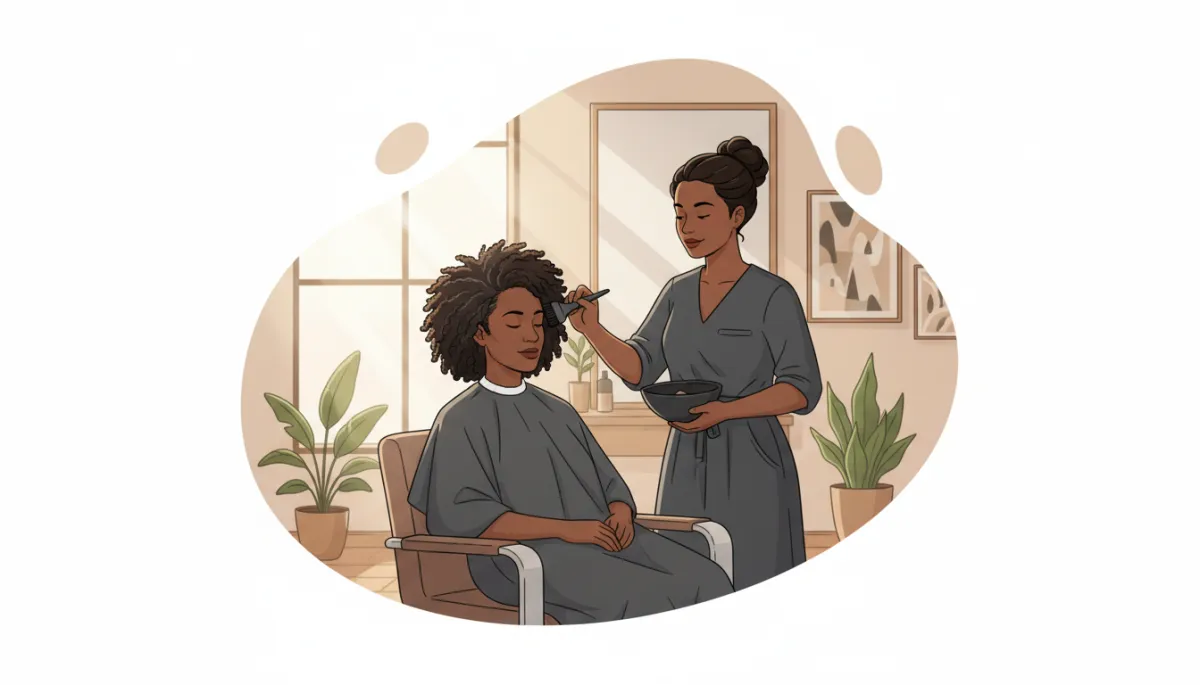
Consistent gray coverage delivers a polished look but needs regular root-touch appointments.
Who Gray Coverage Is Best For
People with 50% or more gray, especially if it’s concentrated in visible areas like the front and crown.
Anyone who feels strongly uncomfortable seeing gray hair and wants a uniform color result.
Clients in very conservative or traditional work environments who feel more confident with fully covered grays.
People who already maintain regular salon visits and don’t mind a 4 to 6 week schedule.
Pros and Cons of Gray Coverage
Pros Cons Completely hides gray for a uniform, polished look. Requires regular root touch-ups, typically every 4-6 weeks. Offers strong, long-lasting color that doesn’t wash out quickly. Roots can look obvious as gray grows in, especially with darker shades. Wide range of shades, from natural to bold fashion colors. Permanent color can be more drying; good home care is important. Ideal for people who feel most confident with no gray showing. Harder to transition to natural gray later without a plan or intermediate steps.
Gray Blending vs. Gray Coverage: Key Differences at a Glance
Feature Gray Blending Gray Coverage Goal Soften and diffuse gray, keep some visible but flattering. Hide gray completely with a solid, opaque color. Products used Demi-permanent color, highlights, lowlights, glosses. Permanent color, root touch-ups, sometimes combined with foils. Maintenance schedule Typically every 8-12 weeks, sometimes longer. Typically every 4-6 weeks for roots. Regrowth appearance Soft, diffused, less noticeable root line. Clear line of demarcation where gray meets colored hair. Best for gray percentage Around 10-50% gray, especially in early stages. 40-100% gray, or anyone who wants no gray visible.
Which Service Is Right for You? A Simple Decision Guide
Once you understand how each service works, the real question becomes: which one fits your life? Choosing between gray blending and gray coverage isn’t just about how much gray you have. It’s about how you want to feel when you look in the mirror, how much time you want to spend in the salon, and how flexible you want your routine to be. Use the questions below to help clarify what fits your lifestyle best. For more help planning your schedule, you can also read our guide to how often you should color your hair.
1. How Do You Feel About Seeing Some Gray?
If you think, “I’m okay with some gray as long as it looks intentional and flattering,” then gray blending is likely a great fit. It lets you keep that natural, lived-in vibe while still softening the contrast that might be bothering you now.
If your reaction is more like, “I don’t want to see any gray at all,” you’ll probably feel most confident with gray coverage, at least for now.
2. How Often Are You Willing to Visit the Salon?
Every 4-6 weeks: You’re comfortable with regular maintenance and like a consistently polished look. Gray coverage fits this routine perfectly, and you can schedule root touch-ups like clockwork (often paired with a quick trim).
Every 8-12+ weeks: You prefer lower maintenance, or your schedule and budget don’t allow frequent appointments. Gray blending is usually the smarter option, because it’s designed to grow out softly and still look good between visits.
3. How Much Gray Do You Currently Have?
Next, take stock of what you’re actually working with. You don’t need an exact percentage, but a rough estimate helps guide the decision:
Up to about 30% gray: Gray blending is often ideal. You likely still have plenty of your natural pigment, so a bit of blending goes a long way in softening the contrast without heavy color work.
30-60% gray: You’re in a flexible zone. You can go either way depending on your preferences. Some people choose blending to ease into the change; others opt for full coverage to feel more like themselves.
60-100% gray: Gray coverage will give the most dramatic transformation if you want to hide your grays, while an advanced gray blending approach can help if you’re transitioning to or enhancing your natural silver.
4. Are You Thinking Short-Term or Long-Term?
It also helps to zoom out and think beyond your next appointment. Your gray strategy doesn’t have to be forever. You can absolutely change your approach over time. Consider where you are right now:
If you’re in a phase of wanting to maintain your pre-gray look - for a big life event, career reasons, or simply personal preference - gray coverage might make the most sense for the next few years.
If you’re starting to think about embracing your natural gray eventually, gray blending is a powerful “bridge” service. It lets you gradually see more of your natural color without any shocking before-and-after moments.
5. What’s Your Personal Style?
Finally, think about how your hair fits into your overall vibe. Your hair is a big part of your overall style and self-expression. Think about how you dress, do your makeup, and present yourself day to day:
If your style is relaxed, minimal, and natural, gray blending often fits right in. It gives you a soft, effortless look that doesn’t scream “I just had my hair colored.”
If you love a polished, put-together, or glam look, gray coverage may align more with your aesthetic - especially if you like bold lip colors, sharp tailoring, or sleek hairstyles.
💡 Pro Tip: Bring photos to your consultation - images of hair you like with some gray showing and with none. Your stylist can tell you which looks are closer to gray blending versus gray coverage and adapt them to your hair type and skin tone. For inspiration, you can browse our gallery in gray hair transformation: before and after.
Real-World Scenarios: Blending vs. Coverage in Action
Scenario 1: Early Grays at the Temples
To make these ideas even easier to apply, let’s walk through a few real-world examples. You’re in your mid-30s or early 40s, and most of your gray is concentrated around your temples and hairline. The rest of your hair still looks close to your natural shade. You don’t necessarily want to commit to full-on color, but the contrast at the front bothers you in photos and on video calls.
Best match: Gray blending. A few soft highlights or lowlights around the face, plus a gentle gloss, can make the grays look like intentional dimension rather than random streaks.
Scenario 2: Mostly Gray, Wanting a Youthful Refresh
In another common scenario, you might be dealing with a lot more silver. You’re 50+ with 70-90% gray. You feel like the gray washes you out or makes you look more tired, and you miss the richness your hair used to have. You want a noticeable change that still looks appropriate and sophisticated.
Best match: Gray coverage, possibly combined with some subtle highlights. Your stylist can choose a shade that flatters your skin tone - often a soft brown, warm blonde, or rich auburn - then add a few lighter pieces to avoid a heavy, helmet-like look.
Scenario 3: Tired of the Root Touch-Up Cycle
Finally, you might already be deep into the color journey and ready for a change of pace. You’ve been doing full gray coverage for years, visiting the salon every four weeks like clockwork. Lately, the upkeep feels exhausting or expensive. You’re curious about embracing your natural gray, but you’re nervous about the awkward grow-out line.
Best match: Transition via gray blending. Your stylist can start adding lighter pieces and softening your overall color so the line between old dye and new gray is less obvious. Over several months, you can gradually move toward a beautiful, natural gray or silver look with far less shock.
Caring for Your Hair After Gray Blending or Coverage
No matter which scenario sounds most like you, one thing remains the same: your hair will need a little extra love afterward. No matter which service you choose, the right at-home care will keep your color looking fresh and your hair feeling healthy. Gray hair in particular tends to be drier and more fragile, so a gentle routine makes a big difference in how your color wears over time. For a more detailed routine, see our post on the ultimate gray hair care routine.
Tips for Gray Blending Clients
Use color-safe shampoo and conditioner to protect your highlights and demi-permanent tones from fading too quickly.
Incorporate a weekly hydrating mask to keep hair soft and shiny, especially if lightening was involved in your blend.
If your gray tends to look yellow or dull, ask your stylist about a purple or blue toning product to keep it bright and cool-toned between gloss appointments.
Tips for Gray Coverage Clients
Choose sulfate-free, color-protecting products to help your shade stay rich and vibrant longer, reducing how often you need full-color refreshes (you’ll still need root touch-ups on schedule).
Protect your hair from heat styling with a thermal protectant spray; permanent color plus frequent heat can lead to dryness and breakage over time.
If you notice your color looking flat, consider adding a gloss or shine treatment between root appointments to refresh tone and luminosity without re-coloring the entire length.
📌 Key Takeaway: Your gray strategy and your haircare routine go hand in hand. Gentle, color-safe products and regular hydration keep both gray blending and gray coverage looking their best - and help your hair feel as good as it looks. For product ideas, you can explore our recommendations in best products for gray and silver hair.
Getting the Most from Your Salon Consultation
Before you commit to a plan, your consultation is where everything comes together. The decision between gray blending and gray coverage doesn’t have to rest on your shoulders alone. A good stylist will look at your hair’s texture, density, gray pattern, and your lifestyle to recommend a plan. To make the most of that conversation, go in prepared with a few key points:
Be honest about how often you can realistically come in. If you say you’ll come every 4 weeks but usually stretch it to 10, your stylist may steer you toward blending for a more forgiving grow-out.
Share photos of yourself from times when you loved your hair, plus inspiration images from others. Your stylist can identify whether those looks are more “blended” or “covered” and tailor the approach to you.
Talk openly about your long-term goals. Even if you’re choosing gray coverage now, your stylist can keep future transitions (like eventually embracing gray) in mind so you’re not boxed into a difficult grow-out later.
Final Thoughts: Your Gray, Your Rules
As you weigh your options, remember that there’s no “right” way to do gray - only what’s right for you. Gray hair is not a problem to “fix”- it’s simply another chapter in your hair story. Whether you choose gray blending, gray coverage, or a combination of both over time, the right choice is the one that makes you feel most like yourself when you step out the door. Some people feel powerful and free with a fully silver mane; others feel grounded and confident with their familiar brunette, blonde, or red shade. There’s room for all of it.
In the end, it comes down to how you want your hair to support your day-to-day life. If you want soft, natural, low-maintenance results and you’re comfortable seeing some gray, gray blending is likely your best friend. If you prefer a polished, fully colored look and don’t mind regular appointments, gray coverage will serve you well. And remember, you can always start with one approach and adjust as your hair, lifestyle, and feelings about gray evolve. If you’re considering going fully natural someday, you might also appreciate our post on how to transition to natural gray hair gracefully.
The most important thing is that your hair color supports the way you want to show up in the world—confident, comfortable, and completely yourself, gray and all.
💡 Ready to book your gray & silver hair service? If you’re near Slidell, LA, you can schedule a customized gray blending or gray coverage session with Harmony Strands Hair Studio by visiting our Gray & Silver Hair Services booking page.
Frequently Asked Questions About Gray Blending & Gray Coverage
Do gray blending and gray coverage damage my hair?
It’s natural to wonder how these services will affect your hair’s health. Any chemical color service changes the hair structure a bit, but when it’s done professionally with quality products and proper timing, your hair can still feel healthy and strong. Gray blending often uses demi-permanent color and lightening in select areas, which is generally gentler than repeated all-over permanent color. Gray coverage typically uses permanent color at the roots, so pairing it with moisturizing masks, bond-building treatments, and heat protection helps keep your hair in great condition. For more detail on protecting your strands, read our guide to rebuilding damaged colored hair.
💡 Pro Tip: Ask your stylist to add an in-salon treatment to your color appointment if your hair feels dry, coarse, or fragile - especially on highly gray or previously colored areas.
Will gray blending eventually turn into full gray coverage over time?
Not unless you want it to. Gray blending is its own strategy, not a halfway step that automatically becomes full coverage. Many clients stay with blending for years because they love the soft, dimensional look. Others start with blending and later decide they’re ready for more solid coverage - or the opposite, moving from coverage into blending as they begin to embrace their natural gray. You and your stylist can adjust your plan as your hair and preferences change.
Can I switch from gray coverage to gray blending without a harsh grow-out line?
Yes, and this is one of the most common transitions stylists help clients with. Instead of stopping color cold turkey, your stylist can:
Add highlights, lowlights, or balayage through the mid-lengths and ends to break up solid color.
Gradually shift your root shade lighter or softer so your regrowth is less stark.
Use toners and glosses to better match your natural gray as it comes in.
Over several appointments, this creates a blended, graceful grow-out instead of a hard line between old dye and new silver.
How long does a typical gray blending or gray coverage appointment take?
Time is another important factor to consider when choosing a service. Timing depends on your hair length, density, and the exact technique, but in general:
Gray blending: Expect around 2 to 3 hours for foils, balayage, processing, toning, and styling—especially at your first appointment. Maintenance visits may be a bit shorter.
Gray coverage: A standard root touch-up with a blow-dry is usually about 1.5 to 2 hours, while an all-over color with added highlights can take longer.
📌 Key Takeaway: Your first visit may be the longest as your stylist creates your base look. Follow-up appointments are often quicker and more focused on maintenance. For tips on prepping for that first visit, see our article on how to prepare for a hair color appointment.
Is gray blending or coverage better for curly and textured hair?
If you have curls or coils, you might also wonder how these services translate to your texture. Both services can look beautiful on curly, coily, and textured hair when they’re customized correctly. Curls naturally create dimension, so:
Gray blending can enhance that dimension with carefully placed highlights or lowlights that follow your curl pattern, keeping the look soft and organic.
Gray coverage can give a sleek, uniform tone that really makes your curl pattern pop, especially when paired with moisturizing, curl-friendly products.
The key is working with a stylist who understands how color interacts with texture and who prioritizes hydration and curl integrity. For more curl-specific advice, you can read our post on hair color tips for curly and coily hair.
Can I maintain gray blending or coverage at home with box dye?
When maintenance time rolls around, it can be tempting to grab a box from the drugstore - but proceed with caution. While it may be tempting, box dye can undo a lot of your stylist’s careful work - especially with gray. Box colors are one-size-fits-all formulas that don’t account for your hair’s unique texture, porosity, or gray pattern, and they often create flat, opaque results that are harder to correct later.
If you need a quick fix between appointments, ask your stylist about temporary root sprays, powders, or pens designed specifically for gray. These wash out and won’t interfere with your professional color plan.
⚠️ Warning: Repeated box dye use over gray can lead to banding, uneven tones, and dryness that take multiple salon visits to correct. When in doubt, check in with your stylist before reaching for a box. You can learn more about why in our post on box dye vs. salon color.
How much should I budget for gray blending vs. gray coverage?
Cost is another piece of the puzzle, and it’s helpful to think beyond a single visit. Pricing varies by salon, location, and stylist experience, but as a general guideline:
Gray blending often costs more per visit than a simple root touch-up because it involves detailed placement, foils, and toners. However, you usually come in less frequently (every 8 to 12+ weeks).
Gray coverage root services are typically more affordable per visit, but you’ll likely be in the chair every 4 to 6 weeks.
Think about your monthly or yearly budget, not just the price of a single appointment, when deciding which route fits your lifestyle best. For more money-saving strategies that still protect your hair health, see our article on how to save money on hair color without sacrificing quality.
What if I’m not ready to commit, Can I “try” gray blending first?
If you’re still feeling unsure, you’re not alone - and you don’t have to make a forever decision. Absolutely. Gray blending is one of the most commitment-friendly options for anyone feeling unsure. Because it often uses demi-permanent color and strategic placement, it:
Fades softly over time instead of growing out with a harsh line.
Still lets you see some of your natural gray, just in a more flattering way.
Gives you space to decide whether you want to move toward more blending, full coverage, or a natural grow-out.
If you’re on the fence, starting with blending is a gentle way to explore your options without feeling locked into a strict maintenance routine. When you’re ready for next steps, our post on what to expect at your first gray blending appointment can walk you through the process in more detail.