
Maintain Protective Styles Without Hair Damage
Natural Hair Care, Protective Styles, Protective Style Maintenance
How to Maintain Protective Styles Without Damaging Your Natural Hair
Written from the perspective of licensed cosmetologist Ellisha Powell, owner of Harmony Strands in Slidell, Louisiana.
What Really Counts as a Protective Style?
As a licensed cosmetologist and the owner of Harmony Strands in Slidell, Louisiana, I see many clients who love the idea of “protective styles” but are unsure what that actually means. A protective style is any style that reduces daily manipulation, shields your ends, and minimizes friction and breakage while still allowing you to properly care for your hair and scalp.
Protective styles can be done with or without extensions. For many women with curly, coily, Afro-textured, transitioning, gray, or color-treated hair, the healthiest options are often low-tension styles without extensions, such as:
Cornrows (not too tight, especially along the hairline)
Twists and flat twists on your natural hair
Braid-downs used under wigs or for resting your hair between styles
The key is that a protective style should protect your hair, not just look good. If it’s painful, overly tight, or makes it impossible to cleanse and moisturize your hair and scalp, it is not truly protective—no matter what it’s called on social media.
What Makes a Protective Style Healthy?
Healthy protective style maintenance comes down to a few non‑negotiables. Whether your hair is tightly coiled, loosely curly, transitioning from relaxer, or naturally gray and delicate, a style is healthy when it:
Uses low to moderate tension, especially at the hairline and nape
Allows your scalp to be cleansed and lightly moisturized regularly
Does not rely on excessive holding products, heavy gels, or glues on the scalp or hairline
Does not cause burning, throbbing, or headaches during or after installation
Has a reasonable duration (not kept in beyond your hair and scalp’s limits)
💡 Pro Tip: If you need pain relievers to tolerate a style, it is not protective. Pain is your body’s warning sign that the style is too tight and may cause damage.
Step 1: Preparation Before Your Protective Style
The health of your protective style starts before the first braid or twist is created. At Harmony Strands, we begin with a careful assessment of your hair’s current condition, texture, and scalp health, especially for clients with gray, color-treated, or transitioning hair, which can be more fragile and dry.
Clarify and cleanse: A gentle but thorough shampoo removes product buildup, oils, and environmental residues so your scalp can breathe during the style. This is especially important if you’ve been using heavy creams, gels, or edge controls.
Condition and strengthen: We choose conditioners and treatments based on your hair type, lightweight moisture for finer curls, richer hydration and strengthening ingredients for coily, Afro-textured, or color-treated strands.
Detangle gently: Proper detangling with slip and patience reduces breakage before styling. This is crucial for transitioning hair where relaxed ends and natural roots meet, and for wiry or silver strands that can tangle easily.
Skipping this preparation step is one of the main reasons people experience dryness, matting, and breakage when they take their styles down. A healthy protective style begins with clean, conditioned, and detangled hair.
Step 2: Moisture - Your Hair’s Non‑Negotiable
Moisture is at the heart of safe protective style maintenance. Curly, coily, Afro-textured, and gray hair types naturally tend to be drier because the natural oils from your scalp do not travel down the hair shaft as easily. When we tuck your hair away, we must make sure it is properly hydrated first.
Use a water-based leave-in conditioner or hydrating spray before styling to give your hair a moisture foundation.
Seal lightly with an appropriate oil or cream, especially on the ends, without weighing the hair down or clogging the scalp.
💡 Pro Tip: During your style, a light, water-based refresher spray once or twice a week can help maintain moisture without causing frizz or buildup.
Step 3: Scalp Care During Protective Styles
A healthy protective style respects your scalp health just as much as your strands. Your scalp is living tissue, and it needs to be kept clean, balanced, and comfortable. At Harmony Strands, we pay special attention to clients who experience dry, flaky, or sensitive scalps, which can be more common with gray or color-treated hair.
Avoid heavy oils and greases on the scalp that can trap dirt and cause itching or clogged follicles.
Use a scalp-safe, lightweight serum or spray if you need comfort or hydration, focusing on ingredients that soothe rather than coat.
If you have scalp conditions, we adjust your routine and may recommend shorter style durations and more frequent professional cleansings.
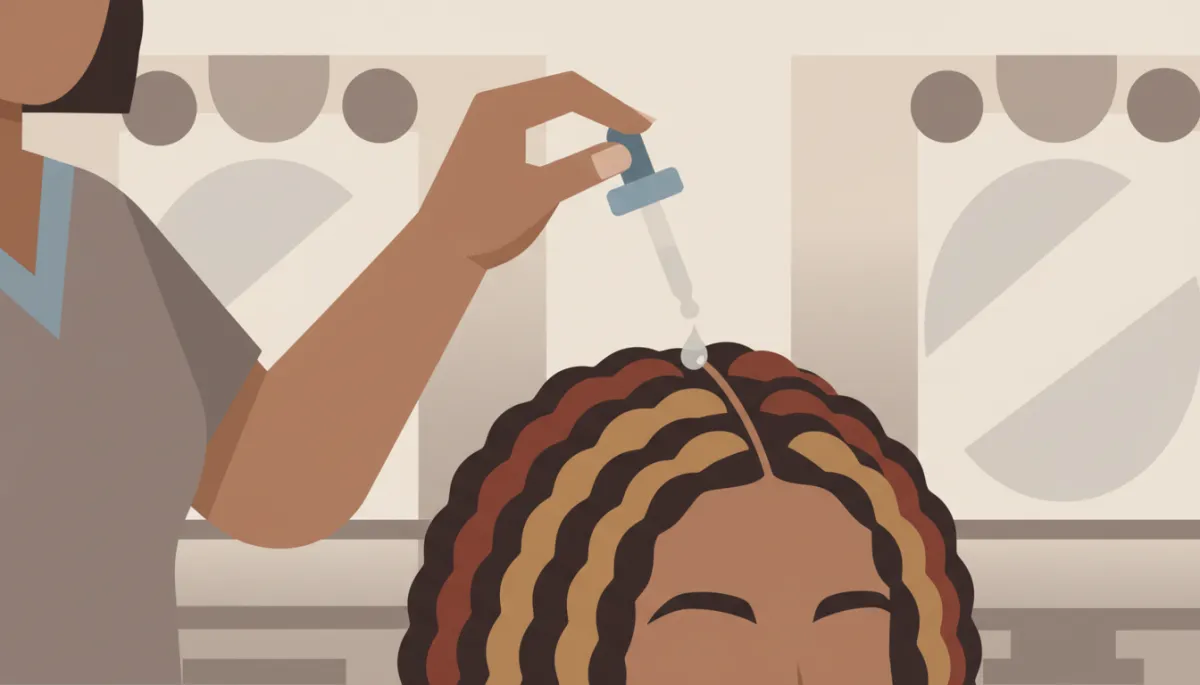
Gentle scalp care during protective styles helps prevent itching, buildup, and long-term damage.
Step 4: Washing and Cleansing While in a Protective Style
One of the most common myths I hear in the salon is, “You can’t wash your hair in a protective style.” In reality, proper cleansing is essential for safe protective style maintenance. The goal is to cleanse the scalp and hair gently without rough handling that causes frizz or matting.
Dilute shampoo with water in an applicator bottle and apply directly to the scalp, focusing on the roots and between braids or twists.
Use the pads of your fingers to gently massage, avoiding vigorous scrubbing or heavy rubbing of the braids or twists themselves.
Rinse thoroughly, allowing the water to flow through the style. Follow with a light, rinse-out conditioner if your hair type can tolerate it without causing buildup.
For many clients, especially in our warm, humid Louisiana climate, washing every 1-2 weeks while in a protective style helps keep the scalp fresh and comfortable. At Harmony Strands, we can perform in-style cleansing services for clients who prefer professional help with this step.
Step 5: Braid-Down Maintenance Under Wigs or Between Styles
Braid-downs are a favorite for many of my clients in Slidell who wear wigs or want a break between more visible styles. Even though the braid-down is “hidden,” it still needs care. Neglecting the hair underneath is a major cause of dryness, matting, and breakage when the style is removed.
Keep the braid-down low-tension, the goal is a secure foundation, not a tight pull on the scalp or hairline.
Cleanse the scalp regularly using the same diluted-shampoo method, especially if you wear wigs frequently or sweat often.
Lightly moisturize your braids and ends with a water-based spray and a small amount of sealant as needed.
💡 Pro Tip: Remove your wig nightly when possible, allow your scalp to breathe, and use a satin or silk bonnet or pillowcase to reduce friction.
How Long Should You Keep a Protective Style In?
Duration is one of the most important pieces of protective style maintenance. Leaving a style in “as long as it looks good” can be tempting, but your hair and scalp have limits. In general, for natural, textured, gray, or color-treated hair:
Simple cornrows, twists, flat twists, and braid-downs without extensions are typically safest for 2-4 weeks, depending on your hair and scalp health and how well you maintain them.
At Harmony Strands, I help clients set a realistic time frame based on their individual hair condition, lifestyle, and scalp needs. For some, that may mean shorter style durations with more frequent maintenance; for others, it may allow for slightly longer wear with professional check-ins.
Warning Signs Your Protective Style Is Causing Damage
A style can start out healthy and become damaging if it is not maintained properly or is left in too long. Pay attention to these warning signs:
Persistent itching, burning, or tenderness on the scalp or hairline
Small bumps, scabs, or sores along the edges or where braids or twists begin
Headaches or a feeling of constant tightness, especially when you lie down or move your head
Excessive shedding or breakage when the style is removed, especially at the hairline or nape
⚠️ Warning: If you notice bumps, scabs, or hair coming out with white bulbs attached, remove the style as soon as possible and allow your scalp to rest. This can be an early sign of traction alopecia.
Safe Takedown: How to Remove Protective Styles Without Breakage
Many women lose the most hair during the takedown process, not the style itself. Remember, you naturally shed hair every day. When your hair is tucked away, that shed hair stays trapped in the style. When you remove it, it can look and feel like a lot, especially if the style has been in for several weeks. The goal is to release that shed hair gently without tearing through knots or tangles.
Start by softening the hair with a light oil or detangling spray, especially on the ends and where the braids or twists are secured.
Carefully unravel each braid or twist from the bottom up, using your fingers first and a comb only when necessary.
Once the style is fully removed, gently detangle in sections before shampooing to avoid creating tight knots.
At Harmony Strands, we offer professional takedown services specifically designed to protect your natural, textured, or gray hair during this delicate step. If you’ve experienced breakage in the past when removing styles, a salon takedown can be a worthwhile investment in your hair’s long-term health.
Do Protective Styles Really Help Hair Growth?
Protective styles themselves do not make your hair grow faster, your hair grows from your scalp, not from the style. However, healthy protective style maintenance can absolutely help you retain more of the length you grow by:
Reducing daily breakage from manipulation, heat, and friction
Protecting your ends, which are the oldest and most fragile part of your hair
Encouraging consistent moisture and scalp care routines
Many of my clients in Slidell notice more length retention and healthier ends once we develop a realistic, customized protective styling plan that includes regular cleansing, moisture, trims, and safe takedowns. The goal is not just longer hair, it is healthier, more manageable hair that fits your lifestyle.
Choosing the Right Style for Your Hair Type and Lifestyle
Not every protective style is right for every head of hair. At Harmony Strands, style selection is a thoughtful process. We consider your natural texture, hair density, scalp sensitivity, color history, gray coverage, and daily routine before we recommend a style. Some examples:
For fine or low-density curls, we may recommend flat twists or small cornrows without extensions to avoid unnecessary weight and tension.
For dense, coily, or Afro-textured hair, medium twists or braid-downs can provide structure and ease of maintenance without over-manipulating the strands.
For transitioning hair, we often choose styles that support the line of demarcation (where natural and relaxed hair meet) and minimize stress on that area.
For gray or color-treated hair, we prioritize hydrating, low-tension styles that respect the more delicate nature of these strands.
Your protective style should not only look beautiful; it should also align with your real life - how often you work out, how you prefer to sleep, your work environment, and how much time you realistically have for maintenance at home.
How Harmony Strands in Slidell, Louisiana Can Help
At Harmony Strands, my focus is always on healthy hair first. As a licensed cosmetologist serving the Slidell, Louisiana community, I understand the unique needs of women with natural, textured, transitioning, gray, and color-treated hair in our climate and lifestyle. My goal is to provide personalized, honest, and educational care so you feel confident and informed about every style choice you make.
One-on-one consultations to assess your hair’s current condition and create a custom protective style maintenance plan.
Professional installation of low-tension styles such as cornrows, twists, flat twists, and braid-downs tailored to your texture and goals.
In-style cleansing, scalp care, and moisture treatments to keep your hair and scalp healthy while you wear your style.
Gentle, professional takedown services and post-style treatments to minimize breakage and support length retention.
Whether you are new to natural hair, transitioning, embracing your gray, or simply ready for a healthier approach to styling, Harmony Strands is here to support you with realistic expectations, integrity, and care.
FAQs About Protective Style Maintenance
How often should I wash my hair in a protective style?
In most cases, every 1-2 weeks is ideal. Your scalp, lifestyle, and style type may adjust that slightly, but regular gentle cleansing is important.
Can I keep my protective style in for two months or longer?
For low-tension styles without extensions, I generally do not recommend going beyond 4 weeks. Longer durations increase the risk of matting, buildup, and breakage, especially for natural and textured hair.
My scalp itches a lot in protective styles. What should I do?
Itching is often a sign of buildup, dryness, or sensitivity. Gentle cleansing, lighter products, and possibly shorter style durations can help. If you’re local to Slidell, schedule a visit at Harmony Strands so we can evaluate your scalp and adjust your routine.
Are protective styles safe for gray or color-treated hair?
Yes, when done correctly. Gray and color-treated hair often need extra moisture and lower tension. At Harmony Strands, we choose products and styles that respect the more delicate nature of these strands.
How do I know if my protective style is too tight?
If you feel pain, throbbing, headaches, or see bumps along your hairline or parts, it is too tight. A true protective style should feel secure but comfortable from day one.
Ready for Healthier Protective Styles? Your Next Step.
Protective styles can be a powerful tool for caring for your natural, curly, coily, Afro-textured, transitioning, gray, or color-treated hair, when they are done and maintained the right way. With the right preparation, moisture routine, scalp care, washing habits, braid-down maintenance, realistic duration, and gentle takedown, you can enjoy the convenience and beauty of protective styles without sacrificing your hair’s health.
If you are in or near Slidell, Louisiana and want personalized guidance, I would love to help you create a protective styling plan that respects your hair’s current condition, natural texture, lifestyle, and goals. At Harmony Strands, we focus on education, honesty, and realistic results so you always know why we recommend each step.
📌 Book your appointment or consultation with Harmony Strands today to receive a customized protective style maintenance plan and service schedule designed specifically for your hair and scalp. Together, we can protect your strands, support healthy growth, and help you feel confident in every style you wear.