
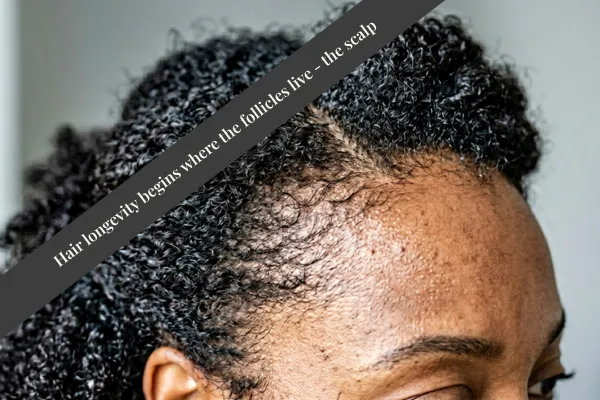
Why Do Edges Thin First? Understanding Tension, Follicle Sensitivity, and Hair Retention
A scalp-first explanation of why the hairline often changes first and how gentle care supports long-term hair retention.
Many people eventually notice small changes along the edges of their hairline.
The temples may appear slightly wider.
Hair near the front of the scalp may seem less dense.
These changes often happen gradually.
At first the shift may be subtle. But over time many people begin asking the same question:
Why do edges thin first?
To understand this pattern, it helps to look beyond hairstyles or product routines.
Hair density is strongly influenced by the scalp environment and the follicles that produce hair.
Because the hairline sits at the outer edge of the scalp, this region often reflects long-term stress patterns earlier than other areas.
Understanding the biology of the hairline helps explain why these changes happen and how gentle habits can support hair retention over time.
Table of Contents
The Hairline as a Sensitive Scalp Zone
Follicles and Hair Density
How Tension Affects the Edges
Manipulation and Friction Around the Hairline
Rethinking “Protective” Styling
Hair Longevity and Cumulative Habits
1. The Hairline as a Sensitive Scalp Zone
The hairline sits at the outer boundary of the scalp.
This area includes:
the temples
the frontal hairline
the edges surrounding the face
Hair follicles in this region are often smaller and more delicate than follicles in other areas of the scalp.
Because of its position, the hairline also experiences more daily exposure.
This can include:
environmental friction
repeated brushing or smoothing
contact with accessories
regular styling adjustments
Over time these small exposures accumulate.
Hair density does not change suddenly. Instead, the hairline often reflects the long-term conditions of the scalp environment.
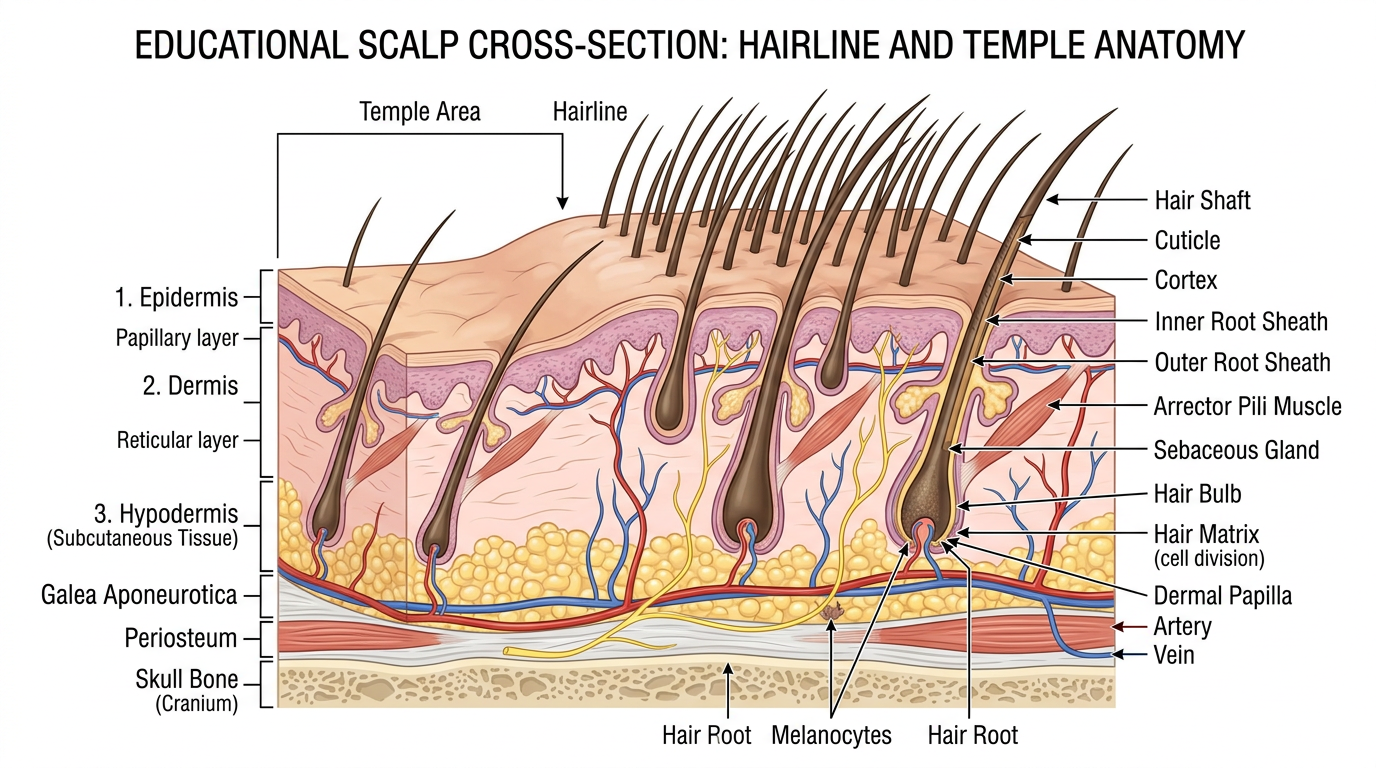
Hair follicles along the hairline are often smaller and more sensitive to stress than follicles in other areas of the scalp.
2. Follicles and Hair Density
Hair grows from microscopic structures beneath the scalp known as hair follicles.
Each follicle produces a strand of hair through a repeating growth cycle.
For hair density to remain stable, the scalp environment needs balance.
Healthy follicles tend to function best when the scalp maintains:
circulation and oxygen supply
natural oil balance
moisture barrier stability
minimal physical stress
When follicles experience repeated tension or strain, they may respond slowly over time.
Sometimes the hair strands produced become finer.
In other cases, follicles produce fewer strands.
Because hairline follicles are naturally more delicate, they may reflect these changes earlier than other parts of the scalp.
3. How Tension Affects the Edges
One of the most common influences on hairline thinning is repeated tension from styling.
Tension occurs when hair is pulled tightly during styling routines.
Many everyday hairstyles can place pressure on the edges, including:
tight ponytails
braids installed with strong tension
buns positioned near the front of the scalp
styles that pull hair behind the ears
Even when a hairstyle looks polished, the follicles beneath the surface may still be experiencing strain.
Hair retention is rarely affected by a single styling moment.
Instead, it reflects repeated patterns over time.
When the same areas of the scalp experience tension regularly, the follicles in those areas may become more sensitive.
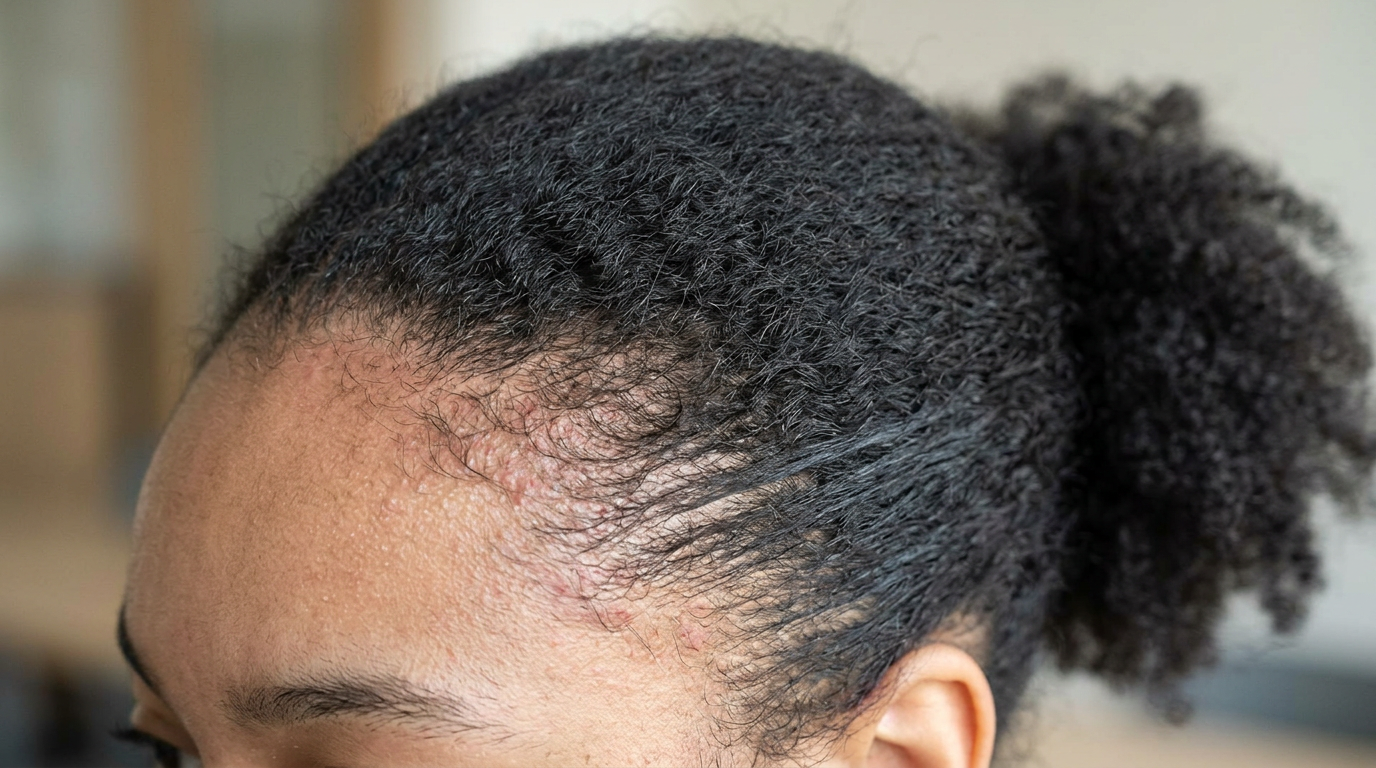
Repeated tension near the temples can influence follicle sensitivity over time.
4. Manipulation and Friction Around the Hairline
Tension is not the only influence on hairline density.
Repeated manipulation can also affect the edges.
Manipulation includes:
frequent brushing of the hairline
smoothing edges with styling tools
repeated pulling during styling
touching the hairline throughout the day
Friction can also contribute to strain.
Common sources include:
scarves or hats
pillowcases
hair accessories
headbands
Each of these forces may seem small on their own.
However, when they occur repeatedly over long periods of time, they can contribute to stress around the hairline.
Reducing manipulation helps maintain scalp comfort and hair retention.
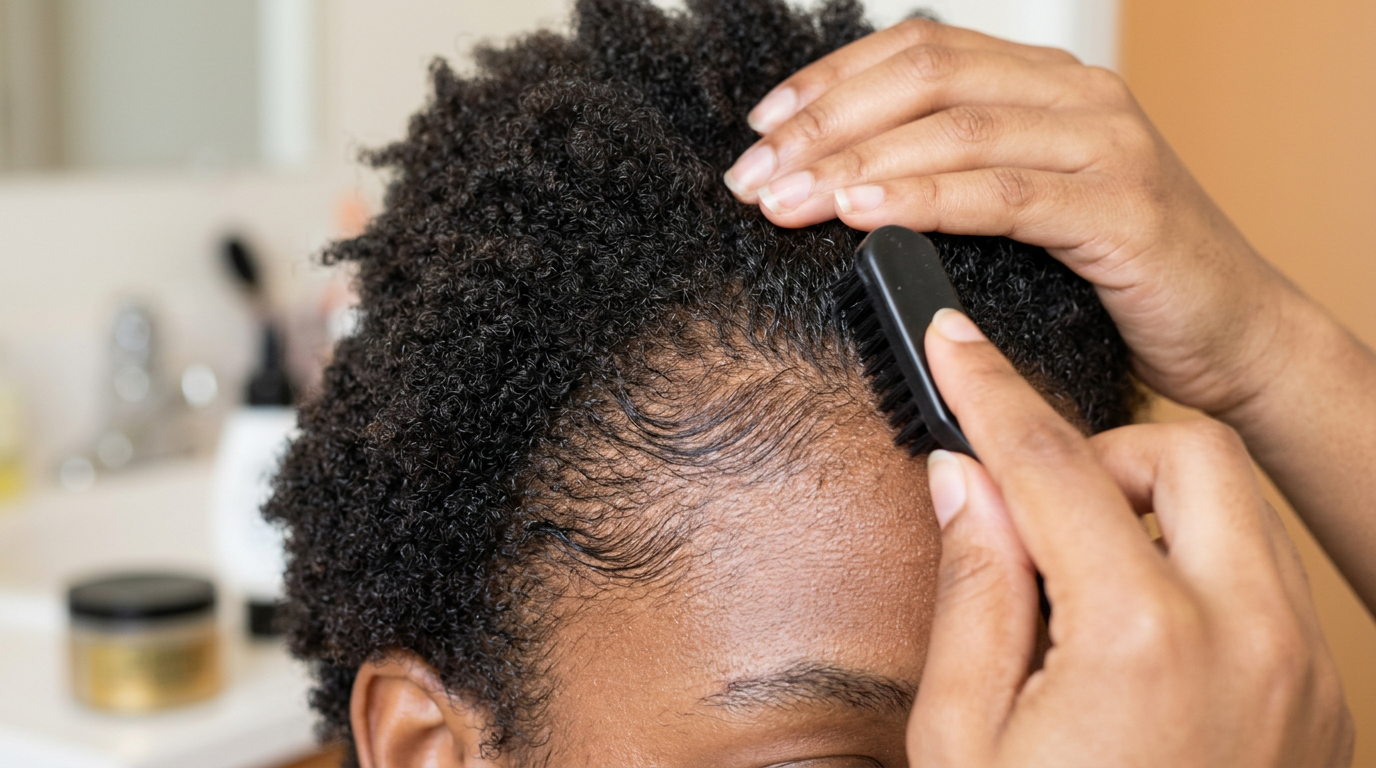
Frequent manipulation of the hairline may contribute to stress around sensitive follicles.
5. Rethinking “Protective” Styling
Many hairstyles are described as protective.
However, protection is not simply about covering the hair.
True protection focuses on reducing stress on the scalp and follicles.
A hairstyle supports hair longevity when it allows:
low tension across the scalp
balanced weight distribution
scalp access for cleansing
gentle installation and removal
A style may appear neat or long-lasting, but if it places significant pressure on the hairline, the follicles may still experience strain.
Protection is best defined by how the hair and scalp are treated within the style.

Low-tension styling supports scalp comfort and long-term hair retention.
6. Hair Longevity and Cumulative Habits
Hair density develops slowly.
Edges rarely thin overnight.
Instead, the hairline often reflects cumulative habits placed on the scalp.
When hair care becomes calmer and tension exposure is reduced, the scalp environment often becomes more comfortable.
Follicles tend to perform best when they experience:
gentle handling
low tension styling
balanced moisture care
consistent routines
Small habits practiced over long periods of time often have the greatest influence on hair retention.
Hair care conversations often focus on quick results.
But the scalp and follicles respond gradually.
Hair longevity is usually supported through calm, consistent care rather than urgency.
When tension and manipulation are reduced, the scalp environment has more opportunity to maintain healthy hair density.
In many cases, healthy hair begins with a stable scalp environment.
FAQ
Why do edges thin faster than the rest of the hair?
The hairline contains smaller, more delicate follicles that may respond to tension and manipulation more quickly than other scalp areas.
Can tight hairstyles cause thinning edges?
Repeated tension from tight hairstyles may place stress on hairline follicles over time, which can influence hair retention.
Do edges grow back?
Hairline density can sometimes improve when the scalp environment becomes calmer and tension exposure is reduced. Results vary depending on follicle health.
SCIENCE REFERENCES
American Academy of Dermatology – Hair loss and traction alopecia
NIH – Hair follicle biology research
Cleveland Clinic – Hair growth cycle overview


