
Top Hair Care Mistakes Causing Breakage
Hair Care, Natural Hair, Breakage Prevention
The Biggest Hair Care Mistakes That Cause Breakage
As a licensed cosmetologist and owner of Harmony Strands in Slidell, Louisiana, I see the same hair care mistakes that cause breakage over and over, especially in textured, curly, coily, and Type 4 hair. In this guide, I’ll walk you through what’s really damaging your hair, how to recognize breakage versus shedding, and the healthy routine I recommend to support stronger, fuller strands.
From My Chair to You: Why Your Hair Keeps Breaking
I’m Ellisha, a licensed cosmetologist and owner of Harmony Strands in Slidell, Louisiana. I specialize in natural, textured, curly, coily, and Type 4 hair, including gray and silver strands. Almost every week, I meet women who feel discouraged because their hair “just won’t grow” or “keeps breaking off for no reason.”
In reality, there is a reason. Most of the time, it’s not one dramatic event, it’s a combination of small, repeated hair care mistakes that cause breakage over time. The good news? Once you understand what’s really happening, we can change it. Your hair is not failing you; your routine just needs a reset and some professional guidance.
💡 My goal at Harmony Strands: help you understand your hair, not shame you for what you didn’t know. We learn, adjust, and move forward together.
1. Not Cleansing Often Enough
Textured, curly, and coily hair loves moisture, but moisture can’t get in if the hair and scalp are coated in old product, oils, sweat, and environmental buildup. Many of my clients were taught to “protect” their hair by barely shampooing it. Unfortunately, that often leads to:
Dry, dull strands that won’t absorb conditioners or treatments
Itchy, flaky, or tight-feeling scalp
Weak hair at the root because the scalp isn’t clean and balanced
For most people with textured or Type 4 hair, a consistent cleansing routine every 7-14 days (adjusted for your lifestyle and scalp condition) is a healthy starting point. If you work out often, sweat heavily, or use lots of styling products, you may need to cleanse more frequently with a gentle shampoo or cleansing cream.
2. Shampooing Harshly or Too Frequently
On the other side, some clients overcorrect and scrub their hair daily with strong shampoos. Textured and coily hair is naturally drier because the curls make it harder for scalp oils to travel down the strand. Constantly stripping those oils leaves the hair fragile and prone to breakage, especially at the ends and around the hairline.
💡 Ellisha’s tip: Focus your shampoo on the scalp, not the ends. Let the suds gently run down the hair as you rinse instead of rough scrubbing the lengths.
3. Skipping Conditioner (or Rinsing It Out Too Quickly)
Conditioner isn’t optional - especially for curly, coily, and Type 4 hair. After cleansing, the cuticle (outer layer of the hair) is slightly raised. Conditioner helps:
Smooth and soften the cuticle so strands glide past each other instead of snagging
Add slip, making detangling safer and easier
Replenish moisture and support elasticity (that gentle “stretch and bounce” your hair needs)
If you rush through conditioner or skip it to “save time,” you’re making it much easier for breakage to happen during styling. Let your conditioner sit for the recommended time, and use that moment to gently detangle with your fingers or a wide-tooth comb.
4. Detangling Dry Hair
This is one of the fastest ways to create unnecessary breakage. Dry textured hair has very little slip. When you drag a comb or brush through it, especially from root to tip, you’re not just removing tangles, you’re snapping through weak points along the strand.
Always detangle on damp hair with slip, from conditioner, a leave-in, or a detangling spray designed for your hair type.
Work in sections, starting at the ends and slowly working up toward the roots.
💡 If you hear snapping or feel resistance, pause. Add more product, more water, and more patience. Your hair will thank you later.
5. Using Too Much Protein
Protein treatments can be helpful when hair is chemically processed or severely weakened. But I often see clients who have stacked protein shampoo, protein conditioner, protein mask, and protein leave-in, because the internet told them it would “strengthen” their hair.
Too much protein, especially without enough moisture, can make hair feel:
Hard, stiff, or straw-like
Rough to the touch instead of soft and flexible
When hair loses its flexibility, it snaps more easily. This is why a balanced routine matters. Most textured and Type 4 hair thrives with regular moisture-based care and only occasional, targeted protein when truly needed. During a consultation, I assess your hair’s elasticity and porosity before recommending any strengthening treatments.
6. Relying Only on Oils and Grease
Oils and butters can be helpful tools, but they are not the same as moisture. Moisture comes from water-based products, like leave-in conditioners, creams, and hydrating sprays. When you apply heavy oils or grease to dry hair without hydrating first, you’re mainly coating the outside of the strand and sometimes sealing in dryness and buildup.
Use water-based products to hydrate, then follow with a lightweight oil or cream to seal in that moisture.
Avoid layering thick grease repeatedly without cleansing. It can suffocate the scalp and weigh down curls.
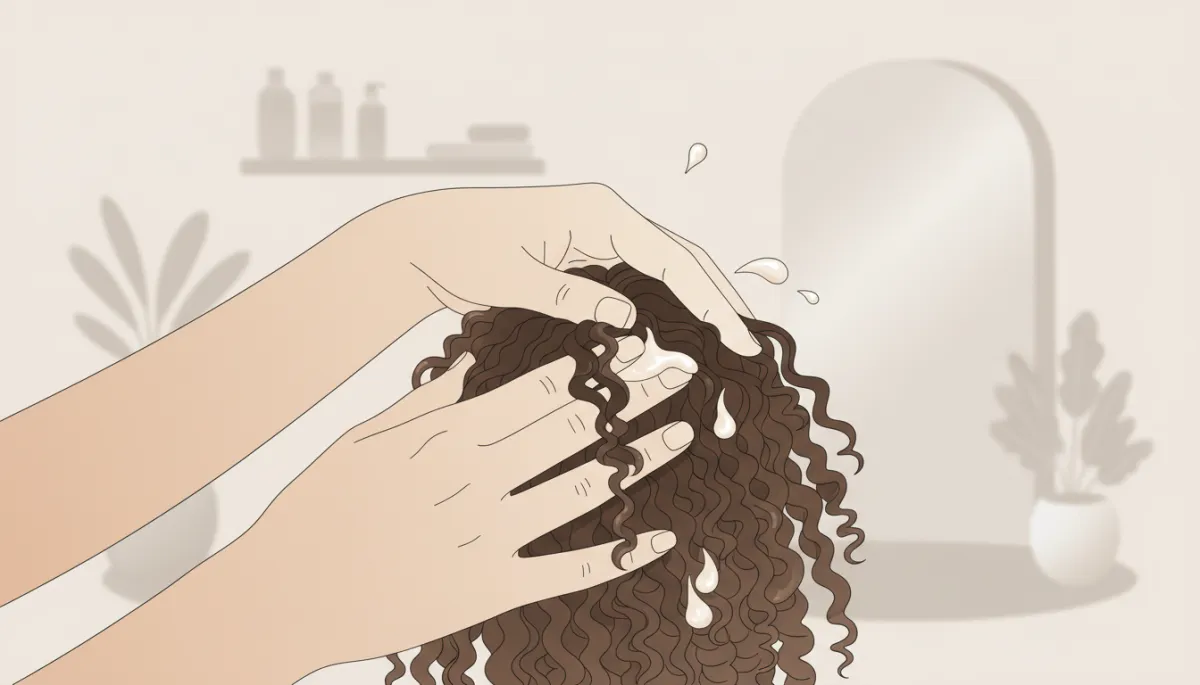
Hydration first, then sealing, helps textured hair stay flexible and resist breakage.
7. Wearing Tight Protective Styles
Protective styles like braids, twists, and sew-ins can be wonderful tools, for the right hair, installed correctly, and not too tight. When the style is pulling, especially around your edges, nape, or crown, it stops being protective and starts being damaging. Signs your style is too tight include:
Headaches or throbbing after installation
Small bumps or sores along your hairline
Feeling like you can’t move your face or scalp comfortably
Consistent tension can lead to thinning, breakage, and even permanent hair loss in severe cases. At Harmony Strands, “protective” always means protecting your hair and scalp health first, not just hiding your hair.
8. Leaving Styles In Too Long
Even the best-installed style has an expiration date. Braids, twists, and sew-ins left in for months beyond their recommended time can cause:
Heavy matting and tangles at the roots where new growth meets old hair
Excessive shedding that gets trapped in the style and turns into knots
When it’s finally time to take the style down, you may lose more hair than expected, not because it “broke all at once,” but because it was neglected for too long. Most long-wear styles are safest in the 4 - 8 week range, depending on your hair and scalp. During a consultation, I can recommend timing that fits your texture and lifestyle.
9. Using Too Much Heat (or Using It Incorrectly)
Heat tools are not the enemy, but unprotected, frequent, or excessively high heat is. Repeated passes with a flat iron, blow-drying on the highest setting, or “touching up” your hair daily can weaken the cuticle and lead to:
Dry, brittle ends that break with the slightest tension
Loss of curl pattern in certain areas (heat damage)
💡 Ellisha’s guidelines: Always use a professional-quality heat protectant, limit how often you use direct heat, and choose realistic styling goals so you’re not forcing your hair into something it can’t safely maintain.
10. Delaying Trims and Holding on to Damaged Ends
I know many women fear trims because they’ve had stylists cut off more than they asked. At Harmony Strands, I honor your goals and explain why I recommend a certain amount. Split, frayed, and see-through ends don’t hold styles well, and they break easily, which can make your hair appear stuck at the same length for years.
Regular, honest trims help you retain length by stopping splits from traveling up the strand.
For most healthy, natural hair, trims every 8 -12 weeks are a good starting point, adjusted for your styling habits and hair condition.
11. Sleeping Without Protection
Cotton pillowcases can pull moisture from your hair and create friction that leads to tangles, frizz, and breakage, especially on the ends and edges. If you’re going to invest in any simple habit, let it be this:
Sleep with a satin or silk bonnet, scarf, or pillowcase.
Gently band or twist your hair at night to reduce tangling, especially for longer curls and coils.
12. Restyling and Manipulating Constantly
Every time you comb, brush, twist, or pull your hair into a new style, there’s some level of friction and tension. When manipulation is constant, re-twisting daily, slicking edges multiple times a day, constantly changing styles, it can add up to breakage, especially on fine or fragile strands.
Aim for styles that last several days, and give your hair true “rest days” with low-manipulation looks. Your hair needs time to simply be, not always be “done.”
13. Ignoring Scalp Health
Healthy hair starts with a healthy scalp. If your scalp is itchy, flaky, sore, excessively oily, or extremely dry, your hair growth and strength can be affected. Many women try to fix breakage by only changing products for the hair shaft, when the real issue is sitting right on the scalp.
Regular cleansing and gentle scalp massages can support circulation and remove buildup.
If you suspect a scalp condition (like psoriasis, seborrheic dermatitis, or persistent irritation), I may recommend partnering with a dermatologist alongside salon care.
14. Following Every Online Trend
Social media can be inspiring, but it can also be confusing. I see clients who have tried rice water, oil-only routines, extreme DIY masks, constant “challenges,” and product hauls that don’t match their hair’s actual needs. What worked for someone else’s hair type, porosity, and lifestyle may not be safe, or necessary - for yours.
💡 At Harmony Strands, I help you filter information. Together, we create a realistic routine that fits your specific hair, not the algorithm’s favorite trend.
Breakage vs. Shedding: How to Tell the Difference
What Shedding Looks Like
Shedding is a normal part of the hair growth cycle. Most people naturally shed 50 -100 hairs a day. Signs it’s shedding, not breakage:
The hair strand has a tiny white bulb at one end (this is the root, not damage).
The shed hairs are usually full-length strands from root to tip.
What Breakage Looks Like
Breakage happens when the hair snaps somewhere along the shaft. Signs of breakage include:
Shorter pieces of hair with no white bulb at the end
Hair that is significantly shorter in certain sections, especially at the crown, nape, or around the edges
Common Signs of Breakage in Textured and Type 4 Hair
See-through, wispy ends when your hair is stretched or straightened
A “halo” of short, frizzy pieces that won’t lay down, even with product
Certain areas (like the crown) that never seem to reach the same length as the rest of your hair
During a hair and scalp consultation at Harmony Strands, I gently examine your strands and shedding patterns so we can clearly identify what’s happening and why, no guessing, no scare tactics, just honest information.
What I Recommend for a Healthy, Breakage-Resistant Routine
Every head of hair is unique, but there are core principles that support most textured, curly, coily, and Type 4 hair. Here’s a simple framework I often customize for clients:
Weekly or Biweekly Wash Day
Cleanse scalp and hair with a gentle, sulfate-free shampoo or cleansing cream appropriate for your scalp condition.
Follow with a moisture-rich conditioner; detangle in sections while the conditioner is on your hair.
Moisture and Protection Between Washes
Use a water-based leave-in conditioner or hydrating cream to keep your curls and coils supple. Seal with a lightweight oil if needed.
Choose low-manipulation or protective styles that don’t pull tightly and allow you to moisturize your hair and scalp.
Reasonable Use of Heat and Protein
Limit direct heat and always use a heat protectant when you do choose to straighten or blow-dry.
Incorporate protein treatments only as needed and always balanced with moisture, based on professional assessment.
Regular Trims and Professional Check-Ins
Schedule trims every 8 -12 weeks to maintain strong, healthy ends and support length retention.
Book periodic hair and scalp consultations to adjust your routine as your hair, health, or lifestyle changes.
Nighttime Protection and Gentle Handling
Sleep with satin or silk protection and avoid tight ponytails or buns while you rest.
Detangle slowly, with slip, in sections, and resist the urge to constantly restyle.
A Compassionate Reminder: Breakage Isn’t a Failure
If you see your own routine in these hair care mistakes that cause breakage, please hear this: you did not fail your hair. Most of us were never taught how to care for textured, curly, coily, or Type 4 hair in a way that honors its true needs. You were doing the best you could with the information you had, and now you have more information.
At Harmony Strands, my role is not to judge you; it’s to partner with you. Together, we can shift your habits, choose products that actually serve your hair, and create a routine that feels realistic for your life. Breakage can be addressed. Healthy hair is possible at every age, texture, and stage - including gray and silver journeys.
Ready for Personalized Help? Schedule Your Consultation at Harmony Strands
If you’re tired of guessing, starting over, or feeling stuck at the same length, I invite you to schedule a hair and scalp consultation at Harmony Strands in Slidell, Louisiana. During your visit, I’ll:
Examine your scalp and strands up close to identify signs of breakage, shedding patterns, and overall health
Review your current routine and gently point out what’s helping and what’s hurting your hair
Create a personalized care plan that fits your natural texture, lifestyle, and goals—without unrealistic promises
Book your appointment or consultation with Harmony Strands today to receive personalized guidance and a service plan designed for your hair’s current condition, natural texture, lifestyle, and goals. Let’s move past the habits and hair care mistakes that cause breakage and guide your hair toward the health and harmony it deserves.
FAQs About Hair Breakage and Healthy Hair Care
1. How do I know if my hair is breaking or just shedding?
Look closely at the hairs you see in your sink, comb, or shower. If they are long strands with a tiny white bulb at one end, that’s typically normal shedding from the root. If you see many short pieces without a bulb, especially after detangling or styling, that’s more likely breakage. A professional consultation can help you confirm what’s happening and why.
2. How often should I wash my textured or Type 4 hair to prevent breakage?
For most people with textured, curly, coily, or Type 4 hair, cleansing every 7–14 days is a healthy starting point. If you exercise frequently, sweat heavily, or wear lots of products, you may need to cleanse more often with a gentle shampoo. The key is balancing a clean scalp with enough moisture and protection for your strands. During a visit to Harmony Strands, I tailor this schedule to your specific needs.
3. Are protective styles bad for my hair if I’m experiencing breakage?
Protective styles are not automatically bad, but they must be chosen and installed thoughtfully. If your hair is already fragile, extremely tight braids, heavy extensions, or long wear times can worsen breakage. Gentle, low-tension styles worn for a reasonable time and properly maintained can actually help protect your hair while it recovers. I often recommend a break from heavy extensions while we rebuild your hair’s strength.
4. Can I still use heat if I want to grow my hair longer?
Yes, many clients successfully grow their hair while using heat occasionally and responsibly. The key is moderation and protection: always use a heat protectant, avoid daily or repeated passes, choose realistic styling goals, and keep up with trims. If your hair is already severely damaged, we may pause direct heat for a season while we focus on recovery and strengthening.
5. What should I bring to my hair and scalp consultation at Harmony Strands?
Bring a list or photos of the products you’re currently using, any medications or health changes that might be relevant, and pictures of your hair when you felt it was at its best (if you have them). Most importantly, bring your questions and your honest experience. My role is to listen, assess, and guide - not to judge. Together, we’ll build a clear, realistic plan for healthier hair and a calmer routine.