
Moisture vs. Hydration: Natural Hair Care Tips
Natural Hair Care, Moisture vs Hydration for Natural Hair, Type 4 Hair Care
Moisture vs. Hydration for Natural Hair: What’s the Difference?
As a licensed cosmetologist at Harmony Strands, I meet many women with beautiful natural textures who share the same concern: “My hair stays dry no matter what I put on it.” Often the real issue is not only dryness, but confusion about moisture vs hydration for natural hair. Understanding this difference can transform the way your coils, curls, and kinks feel, behave, and retain length over time.
Introduction
Natural and textured hair, especially Type 4 hair, can look full and strong yet still feel dry, rough, and fragile. You may be using oils, creams, and butters, but your hair still tangles, breaks easily, or will not hold moisture for more than a day or two. This is where understanding natural hair hydration and natural hair moisture becomes essential.
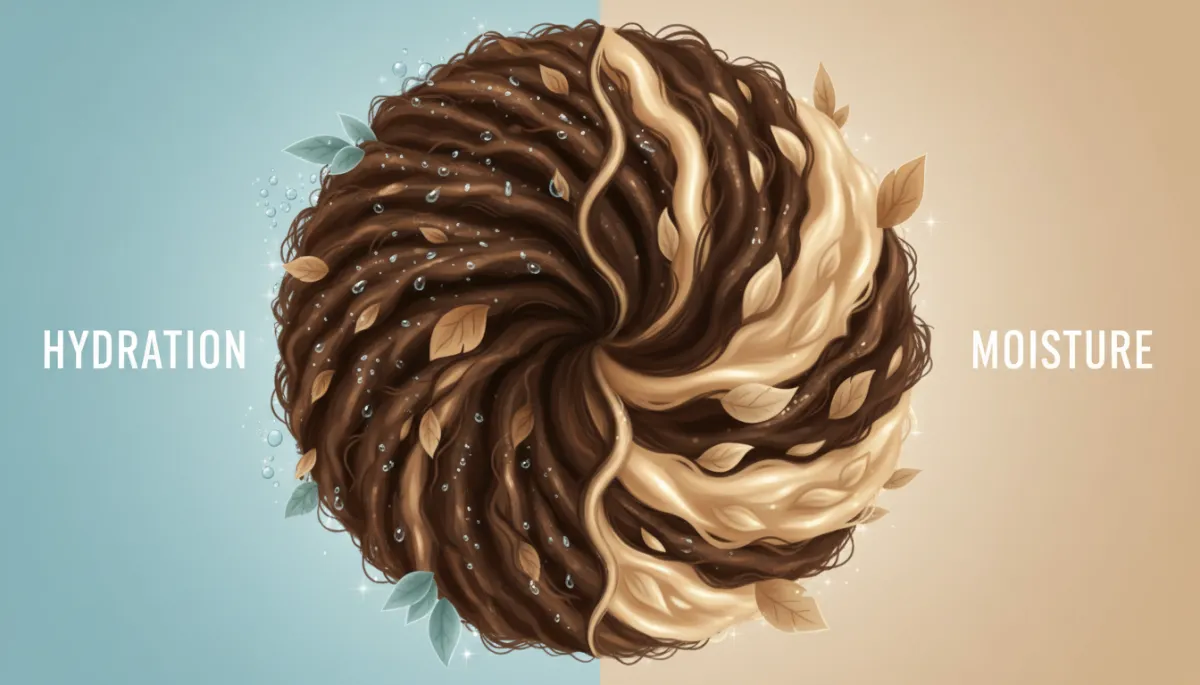
Hydration and moisture are closely related, but they are not exactly the same. Hydration focuses on water inside the hair, while moisture focuses on keeping that water from escaping too quickly. When you learn how to care for both, you support scalp health, reduce breakage, protect your ends, and create a routine that helps your hair feel consistently soft and manageable, not just on wash day but throughout the week.
What Does Hydration Mean for Natural Hair?
Hydration refers to the water content inside the hair shaft. Think of hydration as how much water your hair fiber can absorb and hold in its inner layers. When hair is well hydrated, it is more flexible, less likely to snap when stretched, and better able to respond to styling without feeling stiff or brittle.
How hair becomes hydrated
Cleansing: Water from your shower or wash bowl is the first and most important hydrator. Shampooing or gently cleansing removes buildup that blocks water from entering the hair shaft.
Conditioning: Rinse-out conditioners and deep conditioners help water penetrate the hair, soften the cuticle, and support elasticity. These products are a major part of hydrating natural hair.
Steam and warm water: Gentle heat and steam can open the cuticle slightly, allowing more water and conditioning ingredients to reach the inner layers of the hair.
Hydration is an internal process. Oils and butters alone cannot hydrate, because they do not contain water. They can only work with the water that is already present in the hair fiber or added during cleansing and conditioning.
What Does Moisture Mean for Natural Hair?
Moisture refers to how well your hair can keep that water inside and how soft, lubricated, and flexible it feels on the outside. When we talk about “moisturizing Type 4 hair,” we are usually describing the combination of water, conditioning agents, and emollients that keep the hair from drying out too quickly after it has been hydrated.
What helps hair stay moisturized
Leave-in conditioners and creams: These products provide lightweight hydration and slip on the surface of the hair, helping coils and curls glide past each other instead of tangling and breaking.
Oils and butters: Used correctly, they help reduce water loss from the hair shaft, improve shine, and protect the cuticle from friction and environmental stress.
Protective styling and gentle handling: Low-manipulation styles, satin or silk at night, and careful detangling help preserve moisture by preventing unnecessary friction and breakage.
Moisture is about retention. You can hydrate your hair on wash day, but if your routine does not support moisture retention, your hair will quickly feel dry, rough, and fragile again.
Moisture vs. Hydration: What Is the Difference?
When we compare moisture vs hydration for natural hair, it helps to think of a sponge:
Hydration is the water you soak into the sponge.
Moisture is how long that sponge stays supple before it dries out again.
For healthy natural hair, you need both. If you only hydrate, your hair may feel soft right after washing but dry out quickly. If you only focus on moisture with heavy creams and oils, you may end up coating dry hair instead of addressing the lack of water inside the strand. That often leads to product buildup, dullness, and more breakage over time.
💡 Key Takeaway: Hydration is getting water into the hair. Moisture is keeping that water balanced, protected, and supported with the right products and habits.
Why Type 4 Hair Can Feel Dry So Quickly
Type 4 hair is naturally beautiful, full of character, and often tightly coiled or zigzagged. Those same features that create volume and shape can also make it more challenging to keep hair feeling moisturized. Here is why your coils may feel dry soon after wash day:
Curved structure: The bends and curves in Type 4 strands make it harder for scalp oils to travel down the hair shaft, which means less natural lubrication along the length of the hair, especially at the ends.
Higher surface area: Tight curls and coils have more surface exposed to air. This can cause water to evaporate faster, making hair feel dry even if it was well hydrated on wash day.
Tangling and friction: Coils naturally wrap around each other. Without enough slip and lubrication, this leads to knots, single-strand knots, and breakage, especially on the ends you are trying to protect for length retention.
None of this means your hair is unhealthy. It simply means your Type 4 hair care routine must be intentional about both hydration and ongoing moisture support between wash days.
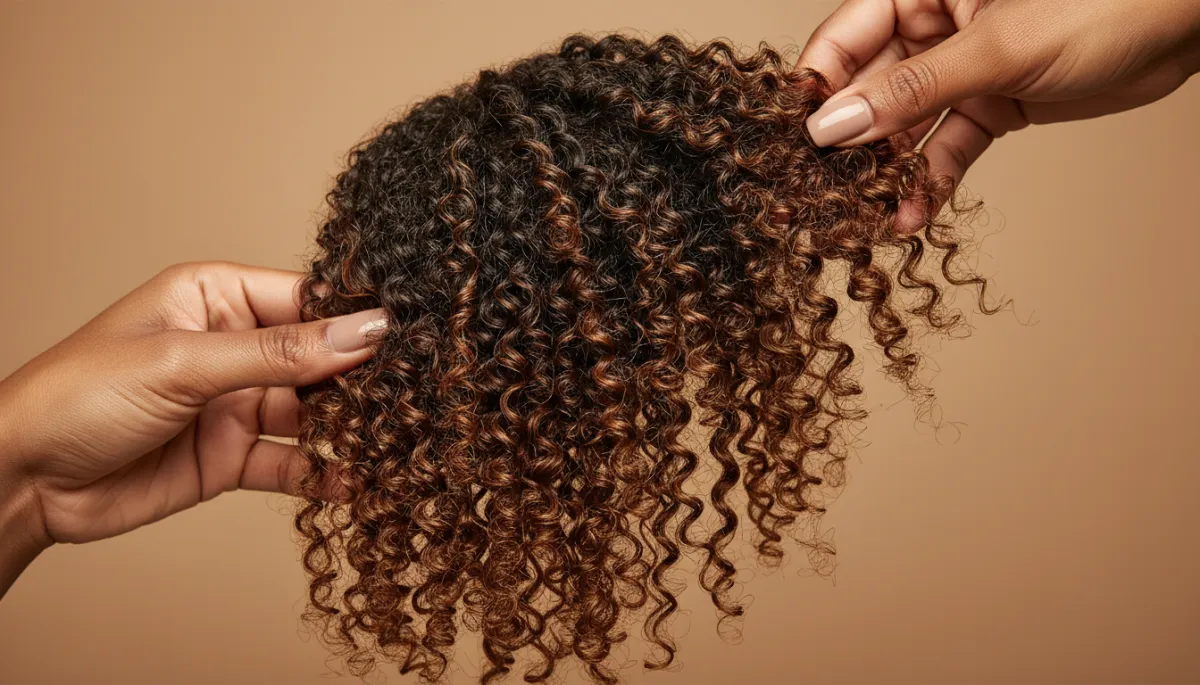
Consistent hydration and moisture retention support shine, definition, and healthier ends in Type 4 hair.
Signs Your Hair May Need More Hydration
If your hair is not getting enough water into the strand, no amount of oil or cream will fully correct the problem. Look for these signs that your hair may be under-hydrated:
Hair feels hard, stiff, or crunchy even right after wash day and conditioning.
Curls do not spring back easily when stretched; instead they snap or break quickly.
Products seem to sit on top of the hair instead of absorbing, even after cleansing.
Hair feels the same whether it is wet or dry: rough, dull, or lifeless.
💡 Professional tip: If your hair never feels truly soft when it is wet, focus first on your cleansing and conditioning routine. Hydration begins at the bowl, not at the styling step.
Signs Your Routine May Have a Moisture Retention Problem
Sometimes hair is getting hydrated on wash day, but the routine does not support moisture retention. That often shows up as:
Hair feels soft and flexible on wash day, but dry and brittle again within 24 to 48 hours.
Ends feel rough, frayed, or “crispy” even when the roots feel fine.
You notice more tangles, knots, and natural hair breakage during styling or detangling sessions.
Styles do not last, and your hair quickly loses definition or shine.
These signs often point to gaps in your leave-in products, sealing step, nighttime protection, or overall styling habits, rather than a lack of hydration alone.
Does Oil Hydrate or Moisturize Natural Hair?
This is one of the most common questions I receive in the salon. Oils are frequently marketed as “moisturizing,” which can be confusing. In reality:
Oil does not hydrate: Oil does not contain water, so it cannot hydrate the hair strand by itself. If you apply oil to dry hair that has not been properly cleansed or conditioned, you are coating a dry surface, not correcting the lack of water inside the hair.
Oil can support moisture: When used in moderation on top of hydrated hair, certain oils and butters can help slow down water loss, reduce friction, and improve shine. This supports moisture retention and helps protect the cuticle.
For many clients, using lighter oils or oil blends on damp hair, or choosing cream-based products that already contain a balanced mix of water and oils, works better than applying heavy oils on dry hair day after day. This approach helps prevent product buildup on the scalp and strands, which can interfere with both hydration and scalp health over time.
Why Adding More Product Is Not Always the Answer
When hair feels dry, the first instinct is often to keep applying more creams, oils, and butters. Unfortunately, more product does not always mean more moisture. Sometimes it creates new problems, including:
Product buildup: Layers of products can coat the hair and scalp, blocking water and beneficial ingredients from entering the strand. This can also dull the hair and clog follicles, which is not ideal for scalp health or long-term growth support.
Heaviness and limpness: Heavy layering can weigh down curls, reduce volume, and make hair feel greasy at the roots yet still dry at the ends, especially with fine or low-density curls.
Confusing your results: When many products are layered at once, it becomes difficult to tell what is actually working and what is causing dryness or breakage.
💡 Professional tip: If you feel you must reapply products every single day, it may be time to reassess your cleansing schedule, your conditioners, and how you seal in hydration after wash day.
A Simple Hydration and Moisture Routine for Natural Hair
Every head of hair is unique, but here is a simple framework you can adapt to create a balanced natural hair routine that supports both hydration and moisture retention:
1. Cleanse to reset and allow water in
Use a gentle, sulfate-free shampoo or cleansing product that removes buildup without stripping your hair. Scalp health is a priority here: clean follicles support better growth potential and help your hair receive hydration more effectively.
2. Condition deeply for slip and elasticity
Apply a rich rinse-out or deep conditioner, focusing on your mid-lengths and ends. Gently detangle in sections with your fingers or a wide-tooth comb while the hair is saturated with water and conditioner. This step supports hydration, reduces tangles, and protects your ends from unnecessary breakage.
3. Apply a leave-in on damp hair
On clean, damp hair, use a leave-in conditioner or lightweight hydrating spray. This step bridges hydration and moisture, giving your hair lasting softness and slip as you move into styling.
4. Seal and style thoughtfully
Depending on your hair density and porosity, layer a cream, foam, or styling gel, followed by a small amount of oil or butter if needed. Focus on your ends, which are the oldest and most fragile part of the hair. This supports both moisture retention and length retention.
5. Protect at night
Use a satin or silk bonnet, scarf, or pillowcase to reduce friction. Consider loose twists, braids, or chunky plaits to keep hair stretched and reduce tangles overnight. This simple step can dramatically improve moisture retention and reduce breakage over time.
How Protective Styling Affects Moisture
Protective styles can be powerful tools for length retention and breakage prevention, especially for Type 4 hair. However, they only protect if they are done and maintained in a healthy way. Here is how protective styling connects to moisture and hydration:
Before installation: Hair should be thoroughly cleansed, conditioned, and properly moisturized before installing braids, twists, weaves, or wigs. Installing protective styles on dry, under-hydrated hair can lock in dryness and lead to more breakage when the style is removed.
During wear: Lightly hydrating sprays, leave-ins, and scalp-friendly oils (used sparingly) can help maintain comfort and reduce dryness. Avoid heavy products that create buildup on the scalp or weigh down the style.
After removal: Gentle detangling, a thorough cleanse, and a deep conditioning treatment help restore balance and support the next phase of your routine.
Remember, a protective style should protect your ends and your edges, not stress them. If your style feels tight, painful, or causes bumps or soreness on the scalp, it is not supporting healthy natural hair or scalp health, no matter how neat it looks.
When Dryness May Be a Sign of Something Else
Not all dryness is caused solely by product choices. Sometimes, persistent dryness, excessive shedding, or sudden changes in your hair’s behavior can be related to other factors, such as:
Environmental conditions (very dry air, extreme temperatures, or frequent exposure to sun and wind).
Chemical services that were not performed or maintained properly, including relaxers or color done in the past.
Lifestyle factors such as frequent swimming without proper protection or inconsistent hair care routines.
If your dryness is severe, sudden, or accompanied by scalp discomfort, flaking, or hair loss, speak with a qualified medical professional or dermatologist. In the salon, I can support you with healthy hair practices, but medical concerns are best addressed with a healthcare provider who can evaluate your overall health.
What Healthy Moisturized Natural Hair Should Feel Like
Healthy, moisturized natural hair does not have to feel wet or greasy. In fact, it should not. Instead, look for these qualities:
Soft and flexible to the touch, even when fully dry.
Coils and curls that stretch and return without snapping easily.
Ends that feel smoother and less rough, even if you are still working on growing them out.
A scalp that feels clean and comfortable, not tight, itchy, or heavily coated with product.
Your hair will still feel like your hair: textured, coily, curly, and unique. The goal is not to make it feel like a different hair type, but to help it feel like the healthiest version of your natural texture.
A Professional Perspective From Harmony Strands
At Harmony Strands, our approach to healthy natural hair is always personalized. We look at your scalp health, current hair condition, lifestyle, and long-term goals. Whether you wear your hair loose, in protective styles, colored, or embracing your gray, your routine should support both hydration and moisture in a realistic, sustainable way.
For clients with gray or silver strands, for example, we pay extra attention to hydration and moisture. Gray hair can sometimes feel more wiry or dry, and professional color services must be planned carefully to respect the integrity of the hair. With the right products, techniques, and realistic expectations, gray and colored natural hair can still be soft, manageable, and beautiful.
At Harmony Strands, we do not promise overnight miracles. We focus on honest education, consistent care, and small changes that add up to healthier hair over time.
FAQ Section
How often should I hydrate and moisturize my natural hair?
Most clients do well cleansing and deeply hydrating their hair every 7 to 10 days, then refreshing moisture as needed between wash days. If your lifestyle involves heavy sweating, frequent workouts, or lots of product use, you may need to cleanse more often. The key is consistency and listening to how your hair responds, rather than following a strict schedule that does not fit your life.
Can I hydrate my hair with water alone?
Water is essential, but water alone is usually not enough for lasting results. You also need cleansers to remove buildup and conditioners to support slip, strength, and elasticity. After that, leave-ins, creams, and light oils help your hair hold onto that water and stay comfortable between wash days.
How can I moisturize Type 4 hair without making it greasy?
Start with damp, clean hair. Use a lightweight leave-in conditioner first, then add a cream or foam based on your density and desired style. If you choose to use oil, apply a small amount mainly to your ends. Avoid repeatedly layering heavy products every day. Instead, refresh with a light hydrating mist or a small amount of leave-in, focusing on dry areas, then protect your hair at night.
Is professional hair color safe for natural and gray hair?
When performed by a trained professional who respects the limits of your hair, color services can be part of a healthy routine. At Harmony Strands, we assess your hair’s current strength, discuss your goals, and create a color plan that prioritizes integrity. After color, hydration and moisture become even more important, and we will guide you on how to care for your hair at home to support softness and breakage prevention.
How do I know if my hair needs protein or moisture?
Very soft, stretchy hair that breaks when stretched may be asking for more strength-focused products. Hair that feels hard, rough, and brittle may be craving more moisture and hydration. Often, a balanced routine that includes both strengthening and moisturizing treatments over time works best. In person, I assess your hair’s response and adjust the plan accordingly, rather than relying on a one-size-fits-all rule.
Join Our Newsletter
If this guide has helped you understand your hair a little better, I invite you to join the Harmony Strands newsletter. You will receive professional tips on hydrating natural hair, seasonal care routines, gentle styling ideas, and guidance for caring for gray or color-treated curls. Our emails are educational, realistic, and focused on helping you make thoughtful choices, not pushing you to buy every new product on the shelf.
Shop our Digital Guides
In the Harmony Strands Shop, you will find carefully selected products and digital guides designed to support healthy natural hair care. Our digital resources walk you through topics like building a weekly routine, caring for protective styles, and maintaining moisture balance in color-treated or gray hair. Each guide is written from a professional perspective, with practical steps you can start using right away at home.
When you choose tools and education that align with your hair’s real needs, you spend less time guessing and more time enjoying your hair. The goal is not perfection, but progress and confidence in the way you care for your coils and curls.
Reader Journey
Your journey with Harmony Strands can be as simple or as in-depth as you need it to be. You might start by reading about how to moisturize natural hair, then explore articles on scalp health, protective styling, or gray hair care. From there, you may decide to download a digital routine guide or book a consultation to receive a customized plan for your specific hair and lifestyle. Each step is designed to give you more clarity, not more confusion, and to help you feel supported rather than overwhelmed.
Understanding the difference between hydration and moisture is a powerful step toward healthier, more manageable natural hair. When you support both, you protect your ends, reduce breakage, honor your scalp health, and create space for real length retention over time. Whether you are embracing your coils in their natural color, transitioning to gray, or wearing professional hair color, your hair deserves a thoughtful, informed routine.
If you are ready for personalized guidance, I invite you to book your appointment or consultation with Harmony Strands. Together, we can assess your current routine, clarify what your hair truly needs, and design a plan that supports both hydration and moisture in a way that fits your real life. Your natural hair does not have to feel dry, confusing, or unmanageable. With the right education and care, it can feel like itself, only healthier, softer, and more supported every step of the way.