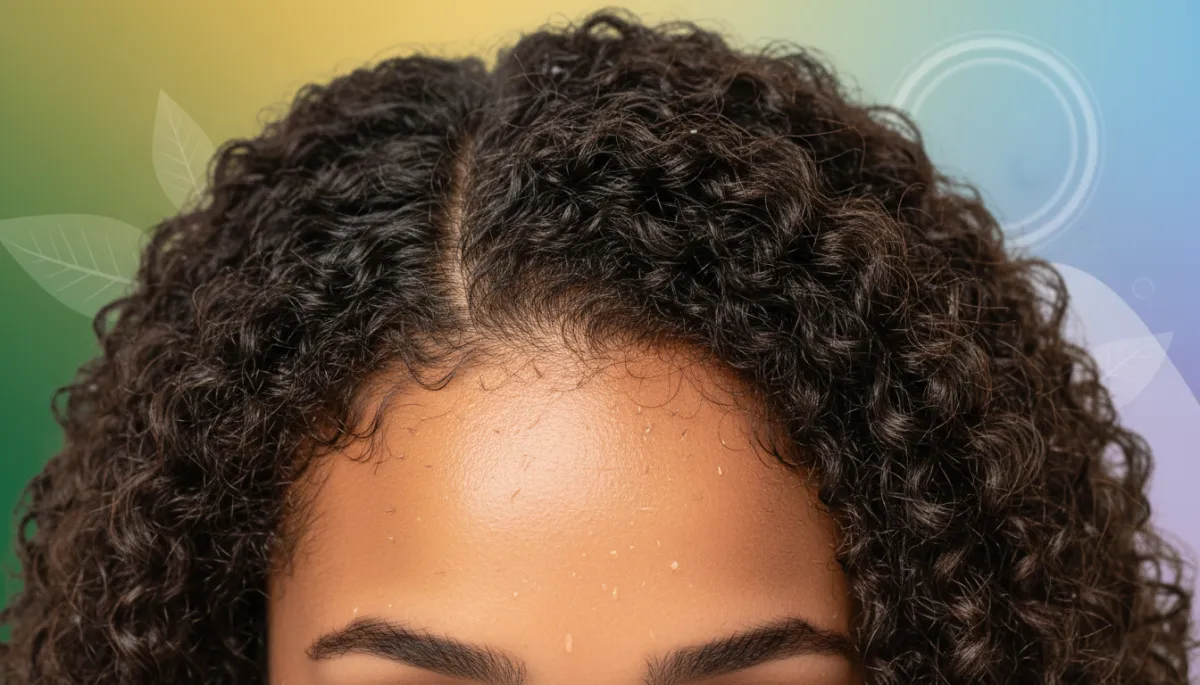
Healthy Scalp: Foundation for Strong, Beautiful Curls
Scalp Health, Natural Hair Care, Healthy Scalp and Clean Hair
Healthy Scalp and Clean Hair: The Real Foundation of Strong, Beautiful Curls
As a licensed cosmetologist and natural hair specialist at Harmony Strands Hair Studio in Slidell, Louisiana, I talk about one topic more than almost anything else, scalp health. Healthy hair starts with a healthy scalp, and one of the biggest misconceptions I hear is that washing your hair too often is always bad. For many of my clients with curly, coily, or kinky textures, the real problem is not cleansing enough, or not cleansing correctly, which leads to product buildup, dryness, and hair that simply will not behave, no matter how many products you buy. When you understand how a clean scalp supports moisture retention, growth, and overall scalp health, your wash day routine stops feeling confusing and starts feeling intentional. At Harmony Strands, our goal is to help you build a healthy scalp and clean hair routine that fits your real life, your texture, and your hair goals, so your curls, coils, or silk press have the best possible foundation.
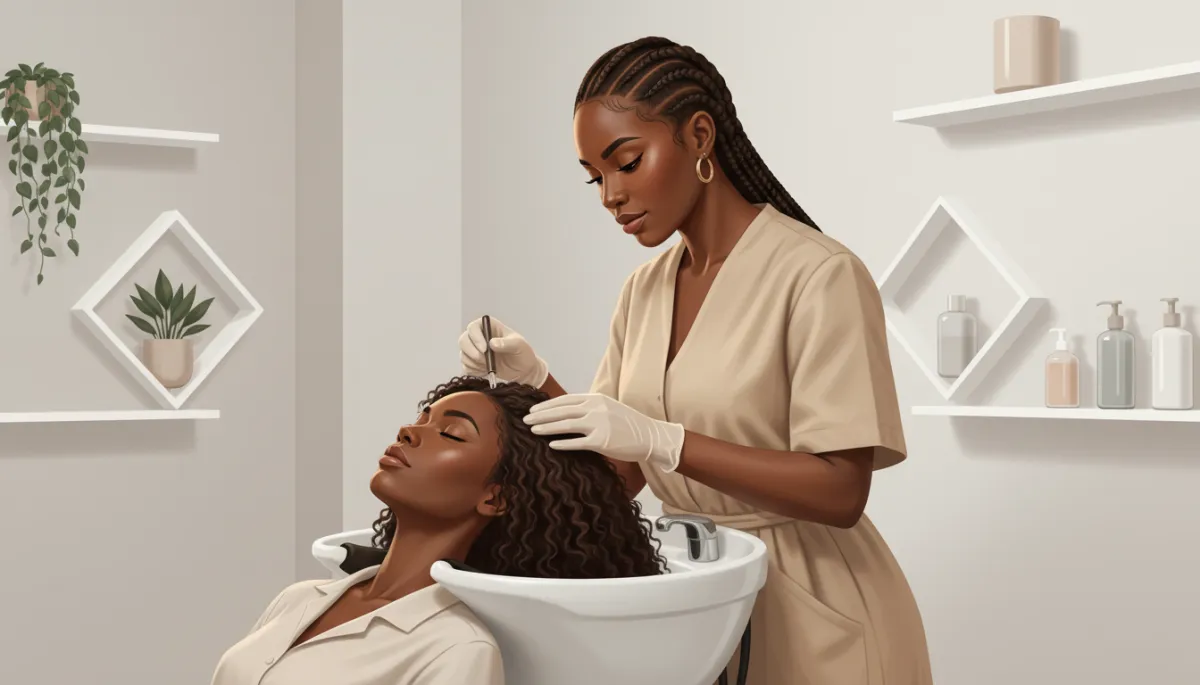
Healthy Scalp. Healthy Hair.
Professional scalp care and cleansing for natural textures in Slidell, Louisiana
Why a Healthy Scalp Matters More Than Any Product
Your scalp is not just where your hair grows from. It is living skin with its own needs, just like the skin on your face. Under that skin are hair follicles, tiny structures that produce each strand. Around those follicles are oil glands that release sebum, your natural oil. You also have a scalp microbiome, a community of microorganisms that help keep your scalp balanced when things are healthy, and contribute to itching, flaking, and irritation when things are off. When the scalp is clean, balanced, and well cared for, follicles can function properly, natural oils can move along the hair, and products can actually penetrate instead of sitting on top of buildup. That is when you start to see stronger, shinier, more manageable hair. When the scalp is not healthy, you may notice slow-growing hair, excessive shedding, dryness that never seems to improve, or curls that feel dull and lifeless, even when you are doing everything you think you should. Current research in 2026 continues to support this, dermatologists now talk about the scalp the same way they talk about facial skin, focusing on barrier health, inflammation, and the microbiome as key pieces of overall hair wellness. When I work with clients at Harmony Strands, I always start with the scalp, because healthy hair truly begins at the root.
What Causes Product Buildup on the Scalp and Hair?
Product buildup is one of the most common reasons clients come in saying, my hair used to love this product, now it just sits there. Buildup happens when layers of products, oils, and debris collect on the scalp and along the hair shaft faster than they are being removed. This is especially common for natural, curly, coily, and protective style wearers, because many of the products we love are rich and creamy. Over time, all of the following can contribute to scalp buildup and hair that no longer feels clean, even right after wash day:
Oils and butters. Heavy oils, butters, and hair greases can sit on top of the scalp and hair, especially if you layer them frequently without properly cleansing in between. They can also trap dirt and sweat against the scalp, which can irritate sensitive skin over time.
Creams and leave in conditioners. Moisturizing creams and leave in products are helpful, but they often contain ingredients that cling to the hair. Without a healthy scalp and clean hair routine, those layers can build up and keep water and conditioner from fully absorbing on wash day.
Styling gels and edge controls. Gels, mousses, and edge controls can contain polymers and waxes that create a cast. That is great for hold, but those same ingredients can stick to the hair and scalp and require a thorough shampoo or clarifying shampoo to fully remove.
Dry shampoo and powders. For some clients, dry shampoo, scalp powders, or tinted sprays feel like a quick fix between wash days. Used occasionally and followed by a proper cleanse, they can be helpful. Used repeatedly without a good shampoo, they can leave behind residue that clogs follicles and dulls the hair.
Sweat, pollution, and everyday life. If you work out, live in a humid climate like Louisiana, or spend time outdoors, sweat and environmental particles naturally collect on the scalp. This is normal, but it does need to be cleansed away regularly to keep the scalp healthy and comfortable.
Hard water minerals. Minerals in hard water can attach to the hair cuticle and mix with product residue, creating a film that makes hair feel rough, stiff, or hard to moisturize. In these cases, a chelating or clarifying shampoo becomes especially important for maintaining a clean scalp and healthy hair.
Dead skin cells. Your scalp naturally sheds skin cells. When those cells mix with oils, sweat, and products, they can form flakes and buildup. A healthy scalp care routine helps keep that shedding process balanced and comfortable.
When buildup layers over time, it acts like plastic wrap on the hair and scalp. Water cannot penetrate properly, conditioners sit on top instead of soaking in, and your hair may feel like it rejects moisture. Clearing away that buildup with the right shampoo for your hair type and scalp condition is one of the most important steps toward restoring softness, shine, and definition.
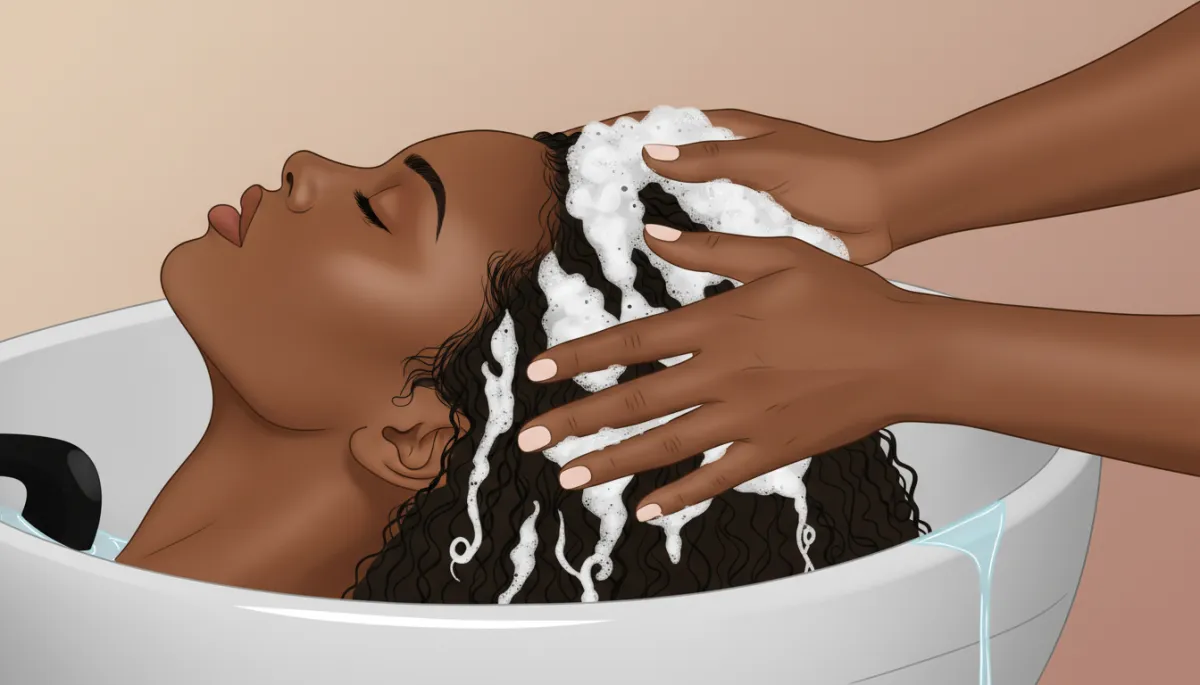
Consistent, gentle cleansing breaks through buildup so moisture can actually reach your curls.
Signs Your Hair and Scalp Need a Good Shampoo
Many clients wait until their scalp feels miserable before they shampoo. By that point, you are dealing with itchiness, flaking, and hair that simply will not cooperate. Your hair and scalp usually start sending gentler signals first. If you notice any of these, your scalp is probably asking for a proper cleanse and possibly a clarifying session:
Persistent itching that does not improve with light oil or a quick rinse.
Visible flakes on the scalp, hair, or shoulders, especially shortly after styling.
Hair that feels heavy, coated, or waxy, even when it looks fine from a distance.
Dull or cloudy looking curls that no longer have their usual shine or bounce.
Greasy roots with dry, frizzy ends, especially if you have fine or wavy type 2 hair or looser type 3 curls.
Products that seemed to work well suddenly stop giving results, even when you apply more than usual.
A sour, stale, or musty odor near the scalp or in the hair, especially on protective styles or locs.
Excessive tangling and matting that seem to get worse each week instead of better after detangling.
If several of these feel familiar, your hair is not just being stubborn. It is telling you that your healthy scalp and clean hair routine needs attention. A thoughtful shampoo schedule, paired with the right products, can calm many of these issues before they turn into bigger problems.
How Often Should You Shampoo Natural, Curly, or Coily Hair?
There is no one size fits all answer to how often you should shampoo. The right schedule depends on your hair type, curl pattern, scalp condition, lifestyle, and how much product you use. What matters most is that your scalp stays clean and comfortable, and your hair feels soft, hydrated, and manageable between wash days. Here are some general guidelines I share with clients at Harmony Strands Hair Studio, then we personalize from there during a natural hair consultation or scalp treatment visit in Slidell, Louisiana.
Hair Type, Curl Pattern, and Density
Type 2 wavy and fine hair. Often needs more frequent cleansing, usually every 3 to 5 days, because oil travels down the strand faster and can make hair look flat or greasy. A lightweight, gentle shampoo helps keep the scalp fresh without stripping the ends.
Type 3 curly hair. Many curly clients do well with shampoo every 5 to 10 days, depending on product usage and lifestyle. If you use heavier gels and creams, or live somewhere hot and humid, you may lean closer to weekly cleansing for a healthy scalp and clean hair.
Type 4 coily and kinky hair. Typically benefits from shampoo every 7 to 14 days. Some type 4 clients can stretch longer with the right protective styles and minimal product, but most scalps feel best with at least biweekly cleansing. If you are unsure where to start, read our guide How Often Should You Wash Type 4 Hair? for more detailed support.
Lifestyle, Exercise, and Environment
If you sweat heavily from workouts, work outdoors, or live in a humid climate like the Northshore area of Louisiana, your scalp may need more frequent cleansing to stay comfortable. In those cases, we often recommend a gentle shampoo more often, then a clarifying shampoo as needed to keep buildup in check.
Protective Styles and Locs
Protective styles. With braids, twists, sew ins, or wigs, your scalp still needs regular cleansing. Depending on your style and scalp, that might mean shampooing every 1 to 2 weeks using a nozzle applicator and gentle pressure. Neglecting the scalp during a protective style can lead to itching, flaking, and buildup that makes takedown more difficult.
Locs. Locs need clean scalps too. We typically recommend cleansing every 2 to 4 weeks, or more often if you have an oily scalp, heavy product use, or sweat frequently. Our Loc Detox and scalp treatment services at Harmony Strands are designed to gently remove buildup while respecting the integrity of your locs.
Remember, these are starting points, not strict rules. The best healthy scalp and clean hair routine is the one that keeps your scalp comfortable and your hair manageable between appointments. During a Natural Hair Consultation at Harmony Strands, we create a customized cleansing schedule that fits your texture, lifestyle, and goals so you are not guessing from week to week.
Clarifying Shampoo vs Regular Shampoo vs Chelating Shampoo
Not all shampoos are the same. Choosing the right type can make the difference between a dry, stripped feeling and a clean, refreshed scalp that still feels hydrated. Here is how I explain the main categories to clients in the salon when we build a healthy hair routine together.
Regular Shampoo
A regular shampoo is designed for routine cleansing. It removes everyday oils, light product residue, sweat, and environmental debris. Many modern formulas for natural hair are sulfate free, or use gentler surfactants, to help protect curl patterns and preserve moisture. This is usually the shampoo you will use most often in your wash day routine, especially if you shampoo weekly or every other week. Look for a formula that respects your scalp type, whether that is more oily, balanced, or dry, and supports your texture without leaving your hair squeaky or rough.
Clarifying Shampoo
A clarifying shampoo is formulated to deeply cleanse and break through heavier buildup from oils, creams, gels, and styling products. It is stronger than a regular shampoo, and you do not need it every wash day. For many clients with natural hair, clarifying once every 3 to 6 weeks works well, depending on how much product you use and how your scalp feels. Signs it is time to clarify include hair that feels coated or waxy, curls that have lost their spring, or products suddenly feeling like they just sit on top of the hair. Clarifying restores that fresh start feeling so your conditioners and treatments can do their job again.
Chelating Shampoo
A chelating shampoo is a specialized type of clarifier that targets mineral deposits from hard water, chlorine from pools, or certain product ingredients that regular shampoos struggle to remove. If you notice your hair feeling rough, stiff, or resistant to moisture, and you know you have hard water, a chelating shampoo may be part of the solution. These are typically used less frequently, sometimes once a month or as recommended by your licensed cosmetologist, and always followed with a deep conditioning treatment to restore hydration and elasticity.
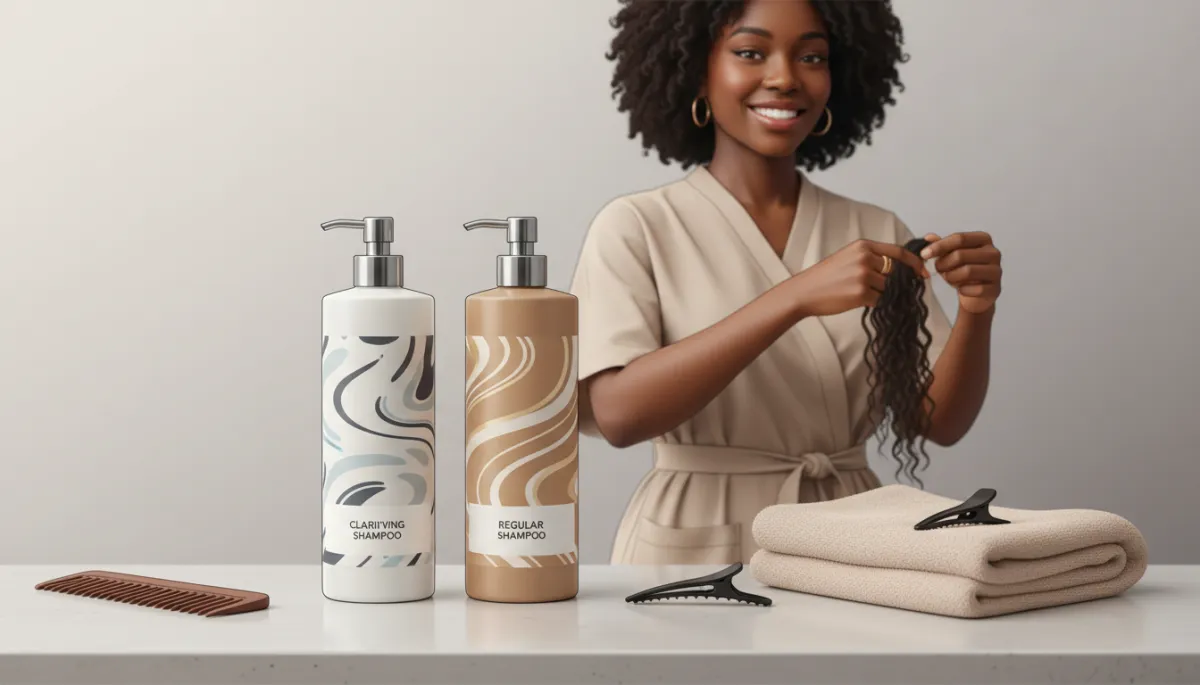
Rotating regular and clarifying shampoos keeps the scalp clean without sacrificing moisture.
Does Shampoo Dry Out Natural Hair?
This is one of the most common questions I hear from clients with curls, coils, and kinks. At some point, many of us were told that shampoo is the enemy, that it strips natural hair and should be avoided as much as possible. The truth is more nuanced. Harsh shampoos, especially strong sulfate formulas used too often, can absolutely leave textured hair feeling dry and rough. However, modern shampoos created for natural hair, and used properly, are designed to cleanse while still respecting your curl pattern and moisture levels. The key is choosing the right formula for your scalp and hair, and pairing it with the right conditioning steps.
Many sulfate free or low sulfate shampoos now include hydrating ingredients like aloe, glycerin, or lightweight oils to support the scalp barrier and reduce that stripped feeling. Dermatologists and hair care researchers recommend focusing shampoo on the scalp first, massaging with your fingertips, then allowing the lather to gently glide down the lengths as you rinse. This approach respects the fact that your scalp needs a deeper cleanse than your ends, which are more delicate and often drier, especially on type 3 and type 4 hair. After shampooing, conditioner and deep conditioning treatments are essential. They help restore slip, soften the cuticle, and reinforce the hair’s internal structure after cleansing. When clients at Harmony Strands follow a balanced routine, they usually notice that shampooing regularly actually helps their hair retain moisture better over time, instead of drying it out.
Why Clean Hair Holds Moisture Better
Moisture starts with water, not products. When your hair and scalp are clean, water can actually reach the hair shaft and penetrate more evenly. Think of it like trying to water a plant that is wrapped in plastic. You can pour all the water you want, but if there is a barrier in the way, the roots will never receive what they need. Product buildup, excess oils, and mineral deposits act like that barrier on your hair. A healthy scalp and clean hair routine removes that barrier so moisture can move in and out the way it should.
Better water absorption. When the cuticle is not coated in layers of residue, water can reach the inner layers of the hair more effectively during wash day. This makes your hair feel genuinely hydrated, not just coated in product.
Improved conditioner penetration. Conditioners and deep treatments are formulated to attach to the hair, but they cannot do their job if they are trying to fight through layers of old products. Clean hair allows the conditioning agents to bind where they should, which improves softness, elasticity, and curl definition.
Healthier curls and coils. When the hair is properly cleansed and conditioned, curls and coils tend to clump more easily, frizz is reduced, and styling becomes smoother. You may find that you need fewer styling products because your hair is responding to moisture instead of resisting it.
If you have ever felt like you keep adding creams and oils but your hair still feels dry, there is a good chance buildup is part of the problem. For more support on balancing moisture without overwhelming your hair, read our article How to Retain Moisture in Natural Hair Without Product Overload. Combining that approach with a consistent cleansing routine is a powerful way to support long term length retention and overall scalp health.
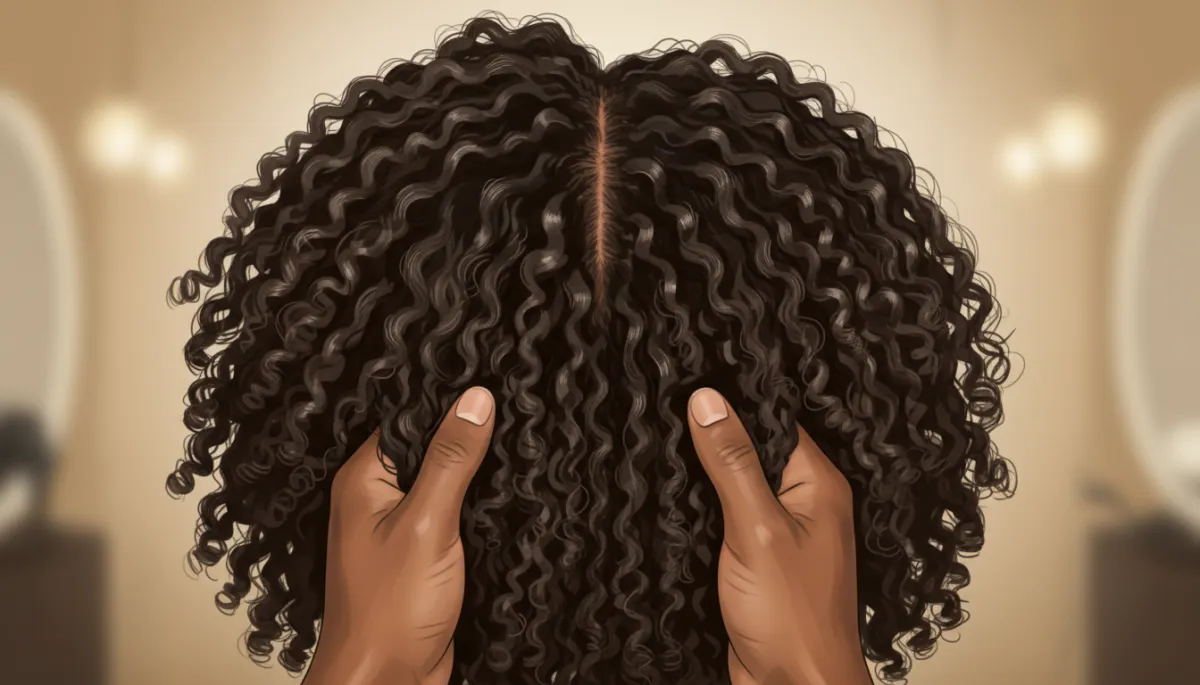
Clean, well conditioned hair holds moisture, definition, and shine far more easily.
A Healthy Wash Day Routine for Natural, Curly, and Coily Hair
A healthy scalp and clean hair routine does not have to be complicated. What matters most is consistency and using the right steps in the right order. Here is a simple, salon approved wash day routine you can adapt for type 2, type 3, and type 4 hair, whether your hair is natural, color treated, relaxed, or in a protective style that allows direct access to the scalp.
1. Pre Shampoo Treatment (Optional)
If your hair is very dry, color treated, or prone to tangling, applying a light oil or pre poo treatment to the mid lengths and ends before shampooing can help protect the hair during cleansing. Focus on the hair, not the scalp, and avoid using heavy products that will be difficult to rinse. This step is especially helpful for high porosity or highly textured hair that tends to lose moisture quickly.
2. First Cleanse, Focus on the Scalp
Wet the hair thoroughly with lukewarm water. Apply a small amount of shampoo directly to the scalp, using your fingertips to gently massage in circular motions. Avoid scratching with your nails, which can irritate the skin and disrupt the scalp barrier. Let the lather move down the strands as you rinse, rather than aggressively scrubbing the ends. This first cleanse lifts away oils, sweat, and surface buildup so the second shampoo can work more effectively if needed.
3. Second Shampoo if Needed
For most clients, especially those who use styling products regularly or stretch wash days, a second shampoo is helpful. You will usually notice more lather on the second cleanse, which tells you the hair and scalp are cleaner. This is a good time to gently massage areas that tend to hold more buildup, such as the nape, hairline, and crown. If it is your designated clarifying day, this second cleanse might be with a clarifying or chelating shampoo, followed by extra conditioning care.
4. Rinse Thoroughly
Take your time rinsing. Leftover shampoo can cause dryness, itchiness, or a dull film on the hair. I often tell clients to rinse longer than they think they need to. If you have thick or dense hair, gently separate sections with your fingers as you rinse to help water reach the scalp and inner layers.
5. Condition and Detangle
Apply conditioner mainly to the mid lengths and ends, where hair tends to be driest. Use your fingers or a wide tooth comb to gently detangle from the ends upward while the conditioner is on the hair. This step helps smooth the cuticle, restore slip, and reduce breakage. For fine or low density hair, use a lighter conditioner to avoid weighing the hair down. For thick, coily, or high density textures, a richer formula may be appropriate.
6. Deep Condition as Needed
Deep conditioning is not just a luxury. It is a key part of a healthy hair routine, especially for color treated hair, relaxed hair, or curls and coils that struggle with moisture retention. Depending on your hair’s condition, deep conditioning every 1 to 4 wash days can help maintain elasticity and strength. At Harmony Strands, our Deep Conditioning Treatment services allow us to choose formulas that target your specific needs, such as dryness, breakage, or post color care, while you relax under controlled heat for better penetration.
7. Apply Leave In Conditioner and Style
After rinsing out your conditioner or deep treatment, gently squeeze out excess water with a microfiber towel or cotton T shirt. Apply a leave in conditioner suited to your hair type, then follow with your preferred styling products in layers that make sense for your density and desired look. Remember, when you maintain a clean scalp and clean hair, you often need less product to get the same or better results.
8. Dry Properly
Avoid extremely hot air directly on the scalp, which can dry both the skin and the hair. Air drying, diffusing on low to medium heat, or using a hooded dryer with proper protection are all options, depending on your style. For silk press clients, we take extra care at Harmony Strands to ensure the hair is properly cleansed, conditioned, and protected before any heat is applied so that the style looks smooth without sacrificing long term health.
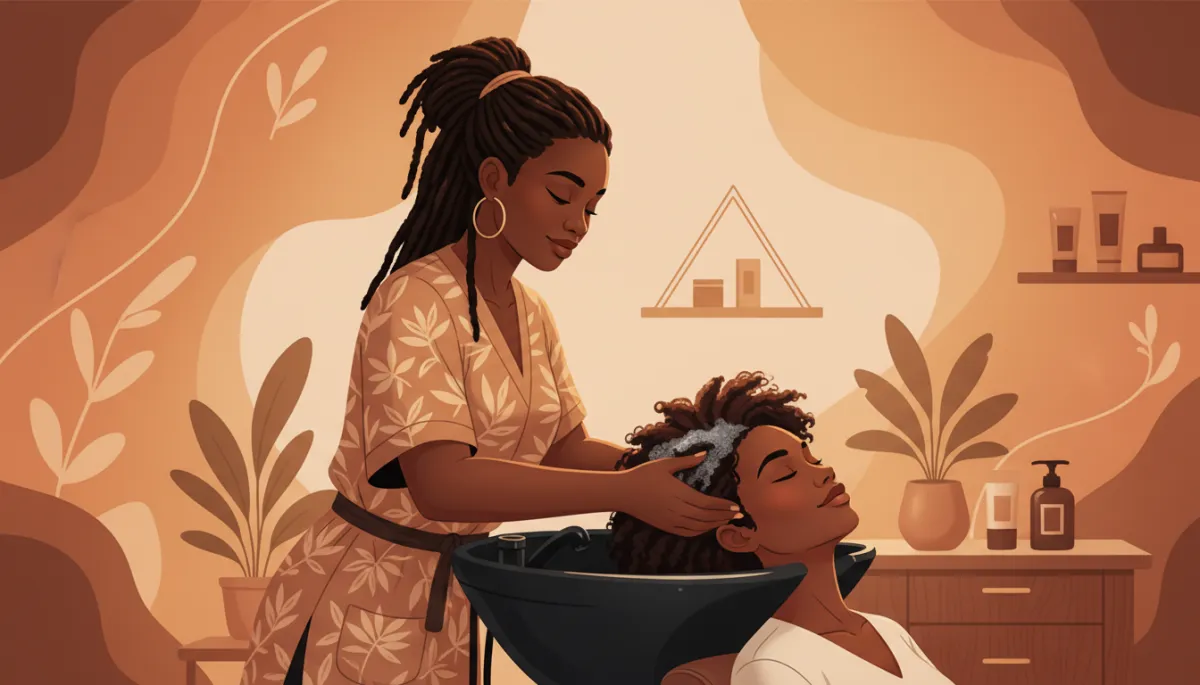
Professional wash days combine relaxation with precise techniques that protect your scalp and strands.
Common Shampoo Mistakes That Hurt Scalp Health
Even with the best intentions, a few common habits can work against a healthy scalp and clean hair routine. Here are mistakes I regularly correct for clients in the salon, along with simple adjustments you can make at home.
Using too much shampoo. More product does not always mean a better cleanse. Start with a modest amount, focus on the scalp, and add water to help distribute the lather. If you need more cleansing, do a second shampoo rather than piling on more at once.
Ignoring the scalp and scrubbing only the hair. Your scalp is the priority. Make sure your fingertips are actually reaching the scalp and gently massaging, not just moving foam around on the surface of the hair.
Scratching with fingernails. This can cause tiny cuts and irritation, especially if you already have dryness or flaking. Use the pads of your fingers or ask your stylist to demonstrate a gentle massage technique during your next visit to Harmony Strands Hair Studio.
Using water that is too hot. Very hot water can strip natural oils and inflame the scalp. Lukewarm water is usually best for cleansing, with a slightly cooler rinse at the end if your scalp tolerates it comfortably.
Skipping conditioner. Shampoo opens the cuticle and removes buildup, which is important. Conditioner helps restore smoothness, flexibility, and protection. Skipping it regularly can lead to dryness, tangles, and breakage, especially on textured hair.
Not rinsing thoroughly. Leftover shampoo or conditioner can cause itching, dullness, or a coated feeling. Take a little extra time in the rinse phase, especially if your hair is thick or in sections.
Waiting too long between washes. Stretching wash day can be helpful in some cases, but letting buildup sit for weeks at a time can lead to scalp discomfort, odor, and hair that refuses to absorb moisture. A balanced schedule is healthier than an extreme one.
Professional Tips from Harmony Strands Hair Studio
As a licensed cosmetology educator and natural hair specialist, I see every kind of scalp and hair situation walk through our doors in Slidell, Louisiana. Here are some of the professional strategies we use at Harmony Strands to support a healthy scalp and clean hair for our clients, whether they wear their hair natural, relaxed, in locs, or in protective styles.
Professional scalp analysis. During a Natural Hair Consultation or Scalp Treatment, we examine your scalp for signs of dryness, oiliness, buildup, sensitivity, or inflammation. This helps us distinguish between simple product buildup and conditions that may need medical attention from a dermatologist, such as severe seborrheic dermatitis or psoriasis.
Customized cleansing schedules. Instead of guessing, we build a plan based on your curl pattern, scalp type, lifestyle, and goals. A busy mom with type 4 coils and protective styles will have a different schedule than a professional who wears a silk press and works out five days a week. Both deserve a routine that works for their reality, not just social media trends.
Targeted scalp treatments. Our Scalp Treatment services focus on gentle exfoliation, balancing the scalp, and supporting the natural barrier. Depending on your needs, we may use soothing ingredients, light massage to encourage circulation, or clarifying steps to remove stubborn buildup before hydrating the hair with a Deep Conditioning Treatment.
Clarifying and detox services. For clients with locs or heavy product use, our Loc Detox and clarifying services help remove buildup that at home shampoos sometimes miss. We follow up with moisture and strength treatments to keep your hair balanced and resilient.
Protective style preparation. Before braids, twists, sew ins, or other long term styles, we focus on a healthy scalp and clean hair. That often includes a clarifying or chelating shampoo, a deep condition, and trimming any damaged ends so your hair is in the best possible condition before being tucked away. This helps you avoid issues like matting, dryness, and excessive shedding when the style is removed.
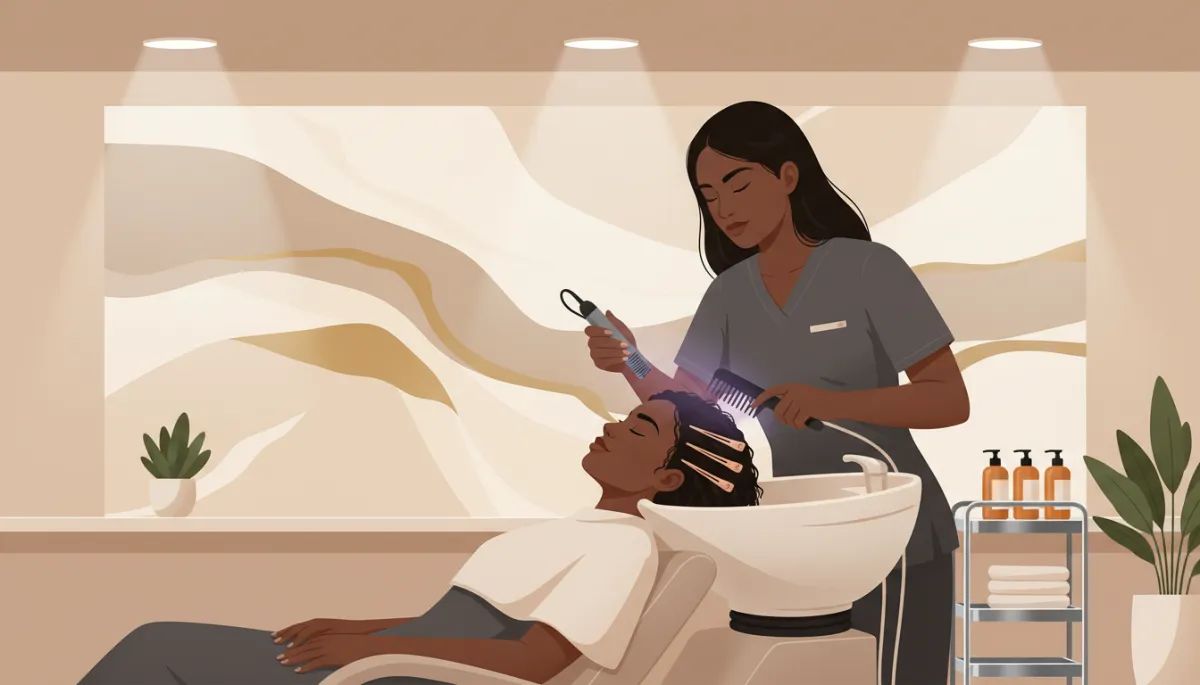
Professional scalp care bridges the gap between at home routines and long term hair health.
When to Schedule a Professional Scalp Treatment
While a good at home routine is important, there are times when professional support makes a real difference. You may benefit from a Scalp Treatment, Natural Hair Consultation, or Deep Conditioning Treatment at Harmony Strands Hair Studio in Slidell, Louisiana if you notice any of the following:
Persistent itching or burning that does not improve with gentle shampoo and conditioner, or that returns quickly after each wash day.
Visible flaking, scaling, or redness on the scalp, especially if it spreads or becomes painful. In these cases, we may recommend you see a dermatologist in addition to receiving supportive salon care.
Heavy product buildup or loc buildup that will not budge with your usual shampoo, or hair that feels coated no matter what you try at home.
A scalp that feels extremely dry or tight, or extremely oily and slick, to the point that it affects your comfort or confidence between wash days.
Hair that will not retain moisture, even when you deep condition regularly and use leave in conditioners and oils appropriately. This often points back to scalp health and cleansing habits that need adjustment.
Difficulty managing your hair, constant tangling, or excessive shedding that leaves you feeling discouraged and unsure what to do next.
You do not have to figure it out alone. A professional scalp care session allows us to assess what is really happening, care for your scalp gently but thoroughly, and send you home with a realistic plan. If you are ready for personalized guidance, you can explore our main services page or book a Natural Hair Consultation, Scalp Treatment, Deep Conditioning Treatment, Silk Press, Protective Styling, or Loc Detox at Harmony Strands in Slidell.
Frequently Asked Questions About Healthy Scalp and Clean Hair
Why is a clean scalp important for healthy hair?
A clean scalp allows hair follicles to function properly, supports a balanced scalp microbiome, and removes buildup that can block moisture and irritate the skin. When your scalp is clean and healthy, your hair tends to grow more comfortably, respond better to products, and maintain shine and manageability between wash days. Healthy hair truly starts with a healthy scalp and clean hair routine that fits your needs.
How often should I shampoo natural hair?
Most natural hair clients do well shampooing every 7 to 14 days, but the best schedule depends on your scalp type, curl pattern, lifestyle, and product usage. If you sweat often, use heavier products, or live in a hot climate, you may need to cleanse more frequently. For a deeper breakdown, especially for tighter textures, read our blog How Often Should You Wash Type 4 Hair? and consider booking a consultation at Harmony Strands for a personalized plan.
Can product buildup cause hair breakage?
Yes, indirectly. Product buildup can make hair feel dry, rough, and hard to detangle, which often leads to more breakage during styling. It can also prevent moisture and conditioners from penetrating, so the hair becomes brittle over time. A consistent healthy scalp and clean hair routine, including occasional clarifying shampoo when needed, helps reduce this risk and keeps your hair more flexible and resilient.
How do I know if my scalp has buildup?
Common signs of scalp buildup include itching, flakes that return quickly after washing, a coated or waxy feeling at the roots, dull hair, or a stale odor, especially near the scalp. If your products suddenly stop working or your hair feels heavy and unresponsive, that is another sign it may be time for a clarifying shampoo or professional scalp treatment at Harmony Strands Hair Studio.
Does shampoo dry out curly and coily hair?
The wrong shampoo, or the right shampoo used incorrectly, can leave curls and coils feeling dry. However, a gentle, well formulated shampoo used on a schedule that fits your scalp needs is not your enemy. It is actually one of your best tools for maintaining a healthy scalp and clean hair. Follow shampoo with a suitable conditioner or deep conditioning treatment, and choose products that are created with textured hair in mind for the best results.
What is the difference between regular and clarifying shampoo?
Regular shampoo is designed for routine cleansing of everyday oils, sweat, and light product residue. Clarifying shampoo is stronger and formulated to break through heavier buildup from gels, creams, oils, and environmental factors. You will usually use regular shampoo most wash days, and clarifying shampoo less frequently, such as every 3 to 6 weeks, depending on your habits and scalp condition.
Can a dirty scalp slow healthy hair growth?
A dirty or congested scalp can contribute to issues like inflammation, itching, and discomfort, which may affect how comfortably your hair grows and how long you can retain that length. While growth rate is influenced by many factors, including genetics and health, keeping the scalp clean and balanced creates a more supportive environment for healthy hair growth and length retention over time.
What are the signs of an unhealthy scalp?
Signs of an unhealthy scalp include persistent itching, burning, redness, sore or tender areas, heavy flaking or scaling, excessive oiliness, extreme dryness, or a strong odor that returns quickly after washing. If you notice these symptoms, a professional scalp analysis at Harmony Strands and, when needed, a visit with a dermatologist can help you find the right combination of care and treatment.
How often should I use a clarifying shampoo?
For most clients with natural, curly, or coily hair, clarifying once every 3 to 6 weeks is a good starting point. If you use a lot of styling products, swim frequently, or live in an area with hard water, you may need to clarify a bit more often. If your hair feels stripped or rough after clarifying, you may be using it too frequently or not following with enough moisture and conditioning support.
What is the best shampoo for natural hair?
The best shampoo for natural hair is the one that meets your scalp’s needs, respects your curl pattern, and fits your lifestyle. That might be a gentle sulfate free formula for dry or sensitive scalps, a balanced cleanser for normal scalps, or a clarifying option used occasionally to remove buildup. During a Natural Hair Consultation at Harmony Strands, we help you sort through your options and choose a healthy scalp and clean hair system that supports your goals without overwhelming your routine.
Keep Learning About Healthy Hair and Scalp Care
If you found this guide helpful, you may also enjoy exploring more articles in our blog, especially in the Scalp Health, Natural Hair Care, Protective Styling, Length Retention, and Loc Care categories. Popular reads include Moisture vs. Hydration for Natural Hair, What is the Difference?, How to Retain Moisture in Natural Hair Without Product Overload, Common Hair Care Mistakes Causing Breakage, and How to Prevent Single Strand Knots in Natural Hair. Each article is written to help you understand your hair better and build healthier habits over time, not just chase quick fixes.
Ready to Build Your Healthy Scalp and Clean Hair Routine?
Healthy hair does not happen by accident. It comes from consistent, thoughtful care that respects both your scalp and your strands. If you are tired of guessing, switching products every month, or feeling discouraged by slow progress, you do not have to navigate it alone. At Harmony Strands Hair Studio in Slidell, Louisiana, we combine professional education, honest guidance, and personalized services to help you understand what your hair and scalp truly need right now. Whether you are wearing your curls proudly, transitioning, maintaining locs, or enjoying a silk press, we are here to support healthy hair care at every stage.
Book your appointment or consultation to receive a customized plan for your healthy scalp and clean hair routine, tailored to your texture, lifestyle, and goals. Together, we will focus on realistic steps that fit your life, from professional scalp treatments and deep conditioning to protective styling preparation and at home maintenance. Remember, healthy hair begins with a clean, healthy scalp. A consistent cleansing routine is one of the most important investments you can make in stronger, shinier, and more manageable hair for the long term.