
Scalp Care
Healthy hair starts with a healthy scalp. Learn how cleansing, buildup, dryness, protective styles, and everyday hair care habits can affect scalp health and overall hair maintenance.
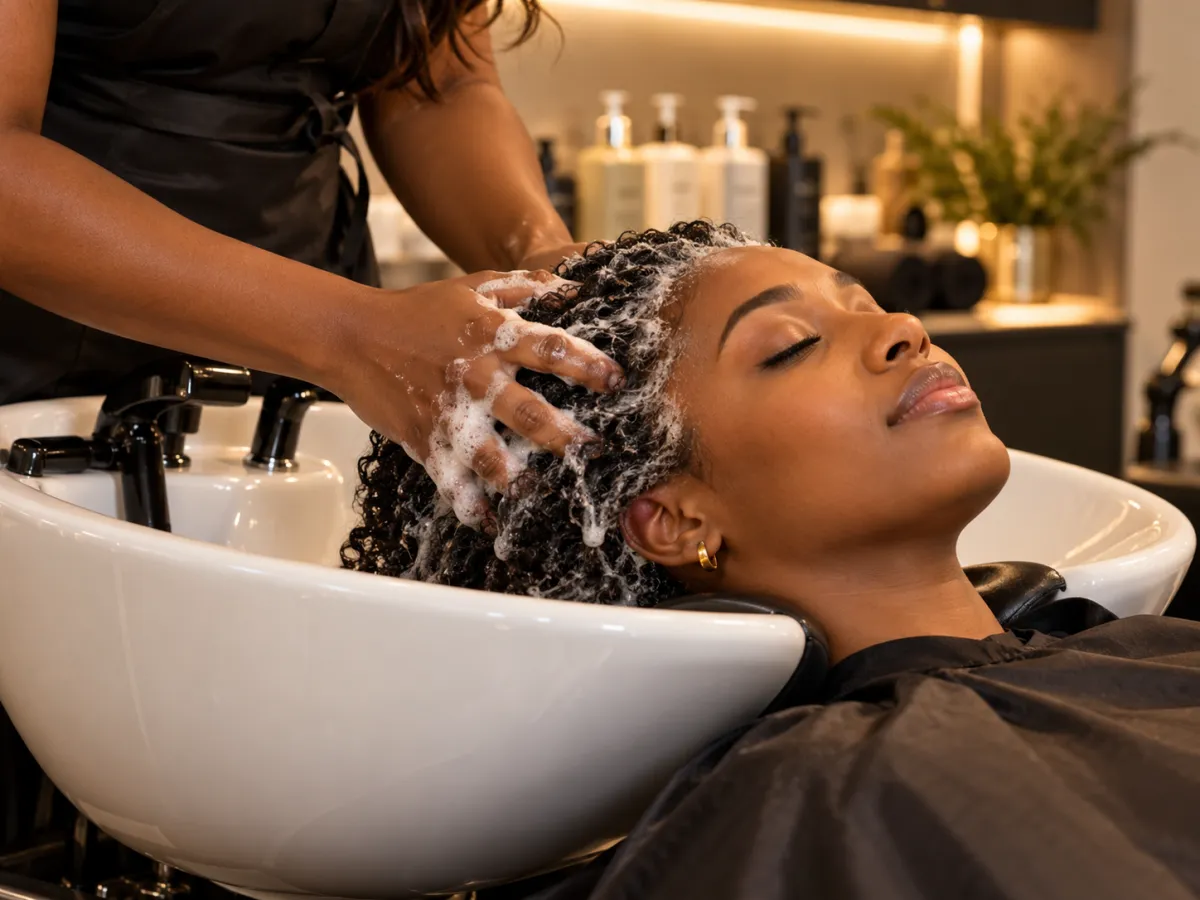
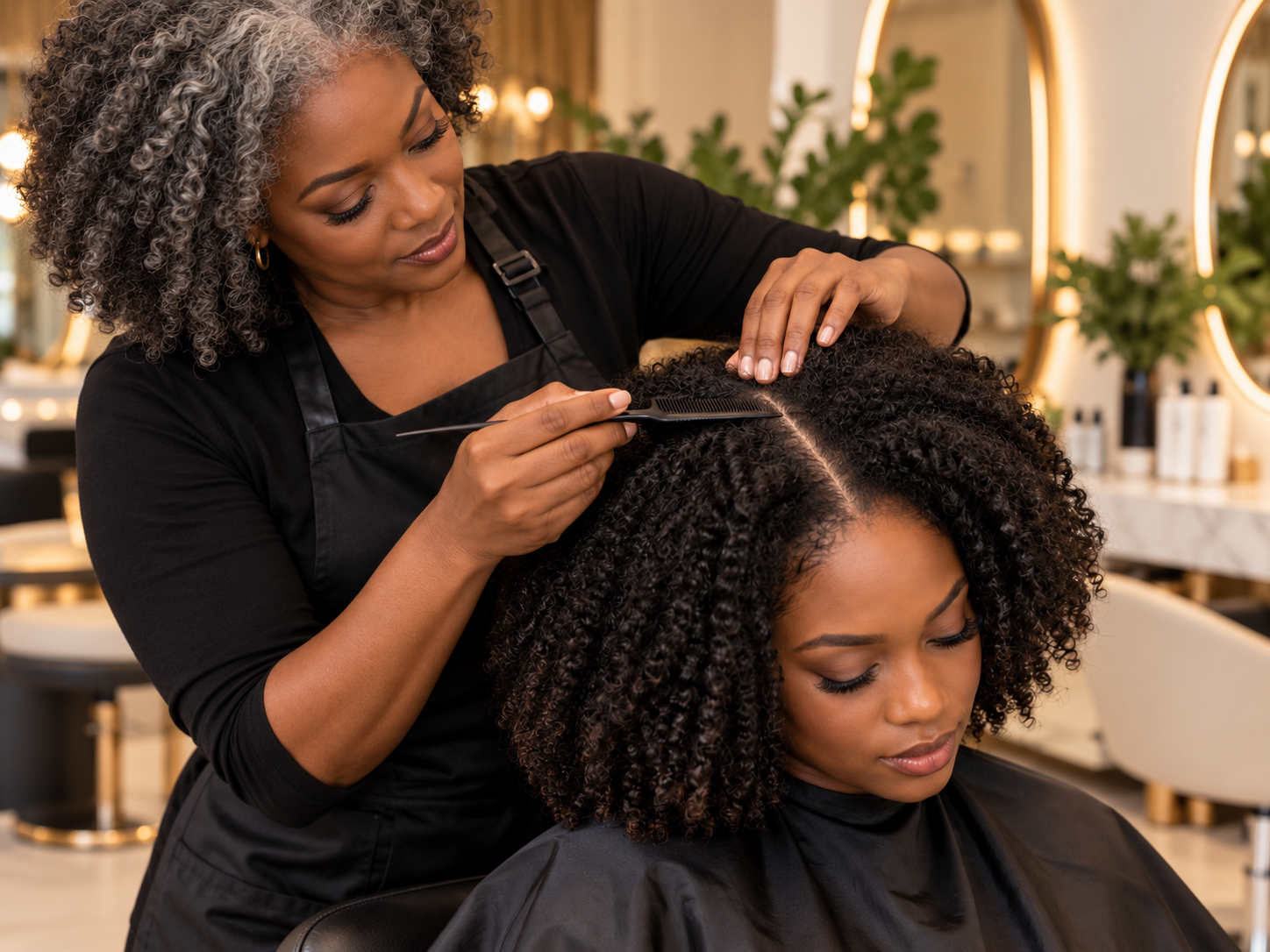
Understanding Scalp Care
Your scalp is skin, and it can be affected by oil, sweat, product buildup, dryness, styling habits, and how often the hair is cleansed. A healthy scalp routine should support cleanliness and comfort without overcomplicating your hair care.
For natural and textured hair, scalp care often means finding the right balance between thorough cleansing and maintaining the moisture your hair needs.
There is no single scalp care routine that works for everyone.
Explore Scalp Care Topics
Choose a topic below to quickly find the scalp care information you need.
Scalp Cleansing & Buildup
Regular scalp cleansing helps remove sweat, excess oil, dead skin cells, and styling product residue that can collect between wash days. For natural and textured hair, the goal is to cleanse thoroughly without creating a routine that leaves the hair feeling dry or difficult to manage.
Heavy creams, gels, oils, grease, edge control, and protective-style products can build up over time. When regular shampooing is no longer removing enough residue, a clarifying cleanse may be helpful.
Featured Article
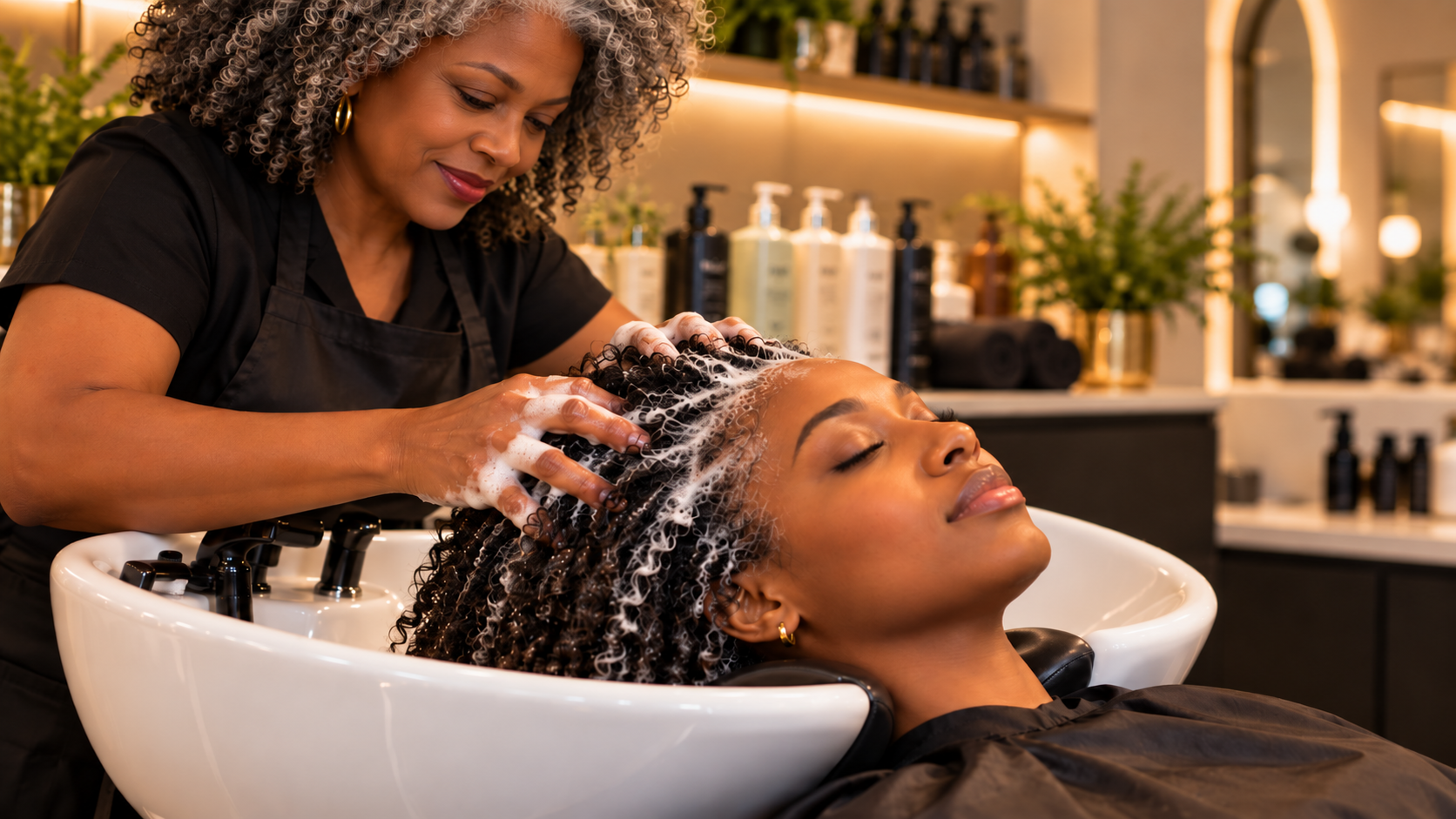
Healthy Scalp: Foundation for Strong, Beautiful Curls
Learn why regular scalp cleansing and consistent maintenance are an important part of a healthy natural and textured hair routine.
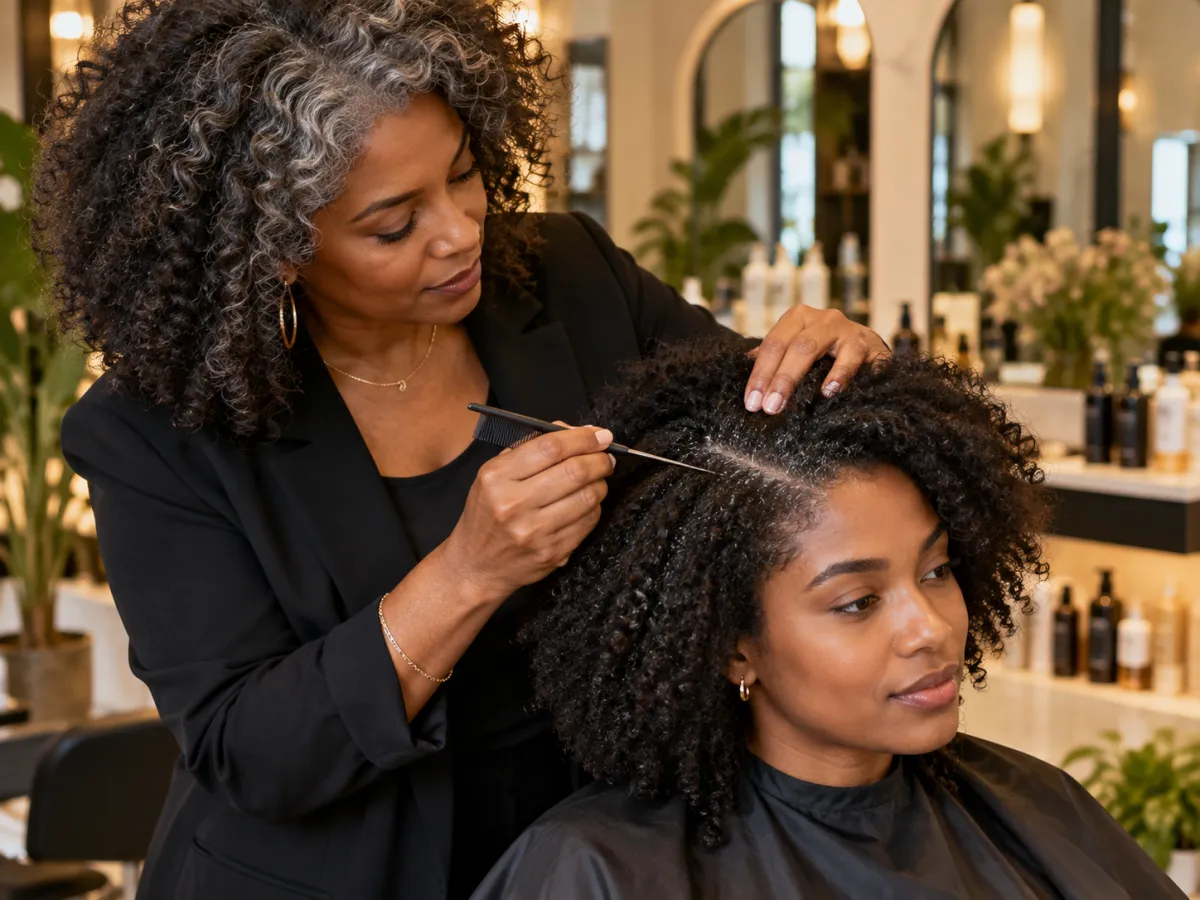
Dry Scalp vs. Product Buildup: Key Differences
Learn how to recognize some of the differences between scalp dryness and accumulated product residue.
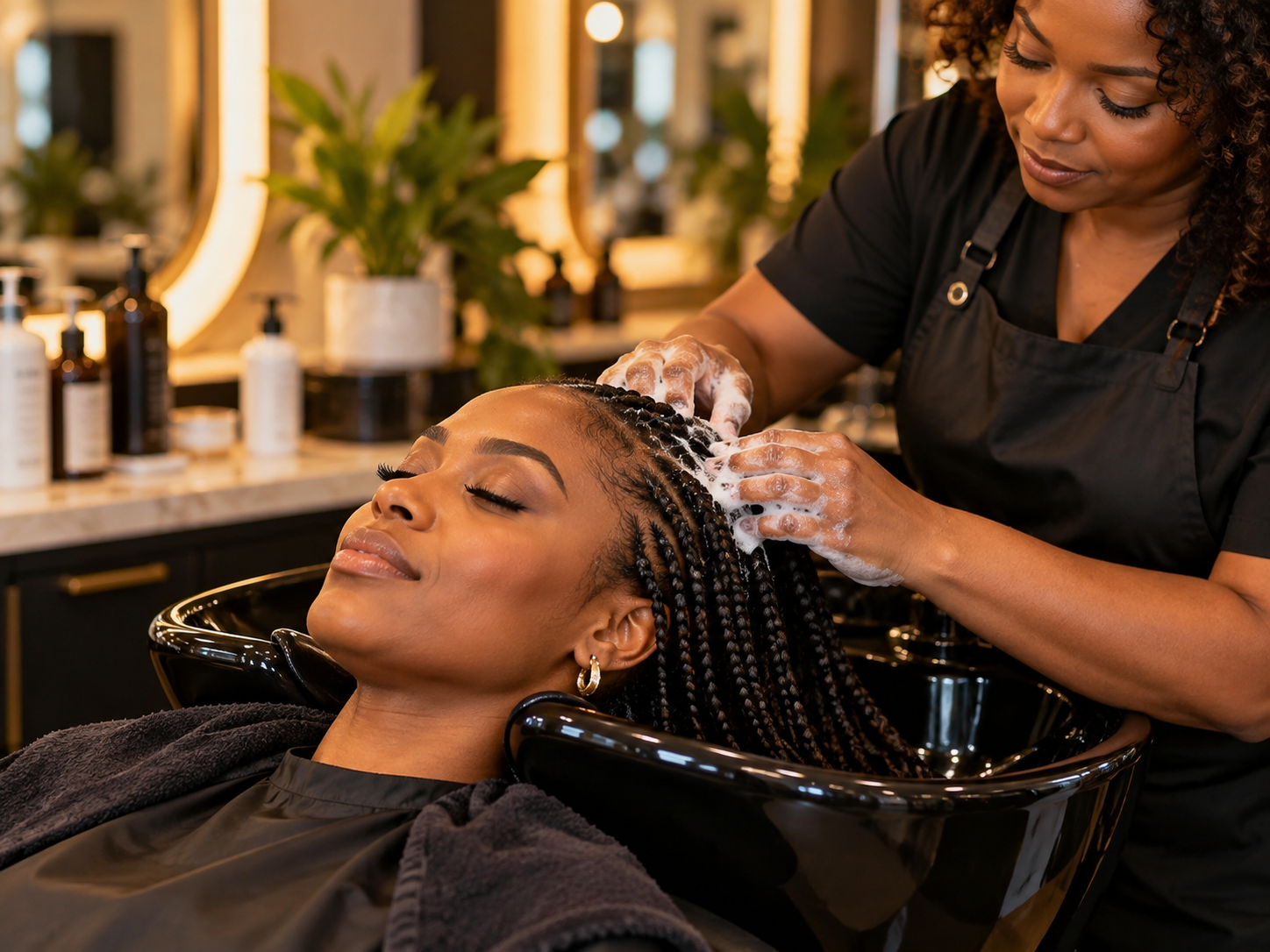
Cleansing Hair in Protective Styles
Learn how to keep the scalp cleaner while wearing braids, twists, cornrows, and other protective styles.
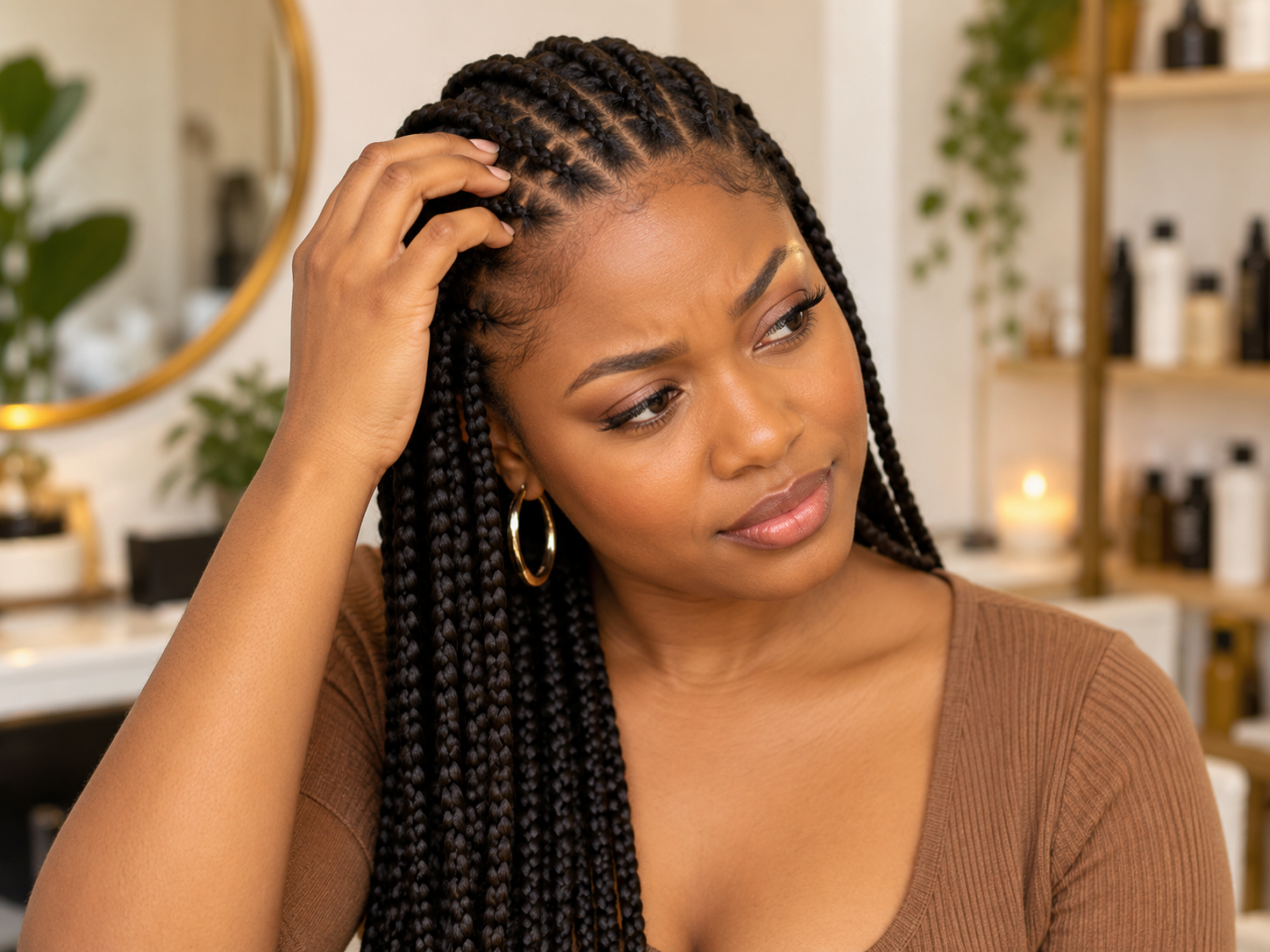
Why Is My Scalp Itchy After Braids?
Explore common reasons the scalp may feel itchy after braids and ways to improve scalp comfort.
Clean Hair Is Part of Healthy Hair
Healthy natural hair care begins with a clean scalp and hair. Sweat, oils, styling products, gels, creams, and protective-style buildup can make the hair feel dry, dull, coated, or difficult to moisturize. Applying more product is not always the solution, sometimes the hair needs to be properly cleansed before it can absorb moisture and respond well to conditioning.
A consistent cleansing routine can support scalp comfort, reduce buildup, improve manageability, and create a healthier foundation for styling and moisture care. Cleansing frequency should be based on the condition of the scalp, product use, lifestyle, and hairstyle rather than following one rule for everyone.
Learn how to choose a cleansing schedule based on your scalp, styling routine, and product use.
What Can Affect Scalp Comfort?
Scalp comfort can change based on how the hair is styled, how often the scalp is cleansed, the products being used, and how much tension or friction the scalp experiences.
Instead of focusing only on dryness or buildup, this section can help clients understand the everyday habits that may influence how their scalp feels between appointments.
Product Sensitivity
Fragrances, gels, edge control, oils, adhesives, and other styling products may sometimes cause irritation or discomfort for certain clients.
Tension & Styling Habits
Braids, cornrows, ponytails, wigs, and tightly secured styles may place stress on the scalp when there is too much tension or when styles are worn too long.
Sweat & Lifestyle
Exercise, heat, humidity, hats, wigs, and active lifestyles can increase sweat and residue on the scalp, which may affect how often cleansing is needed.
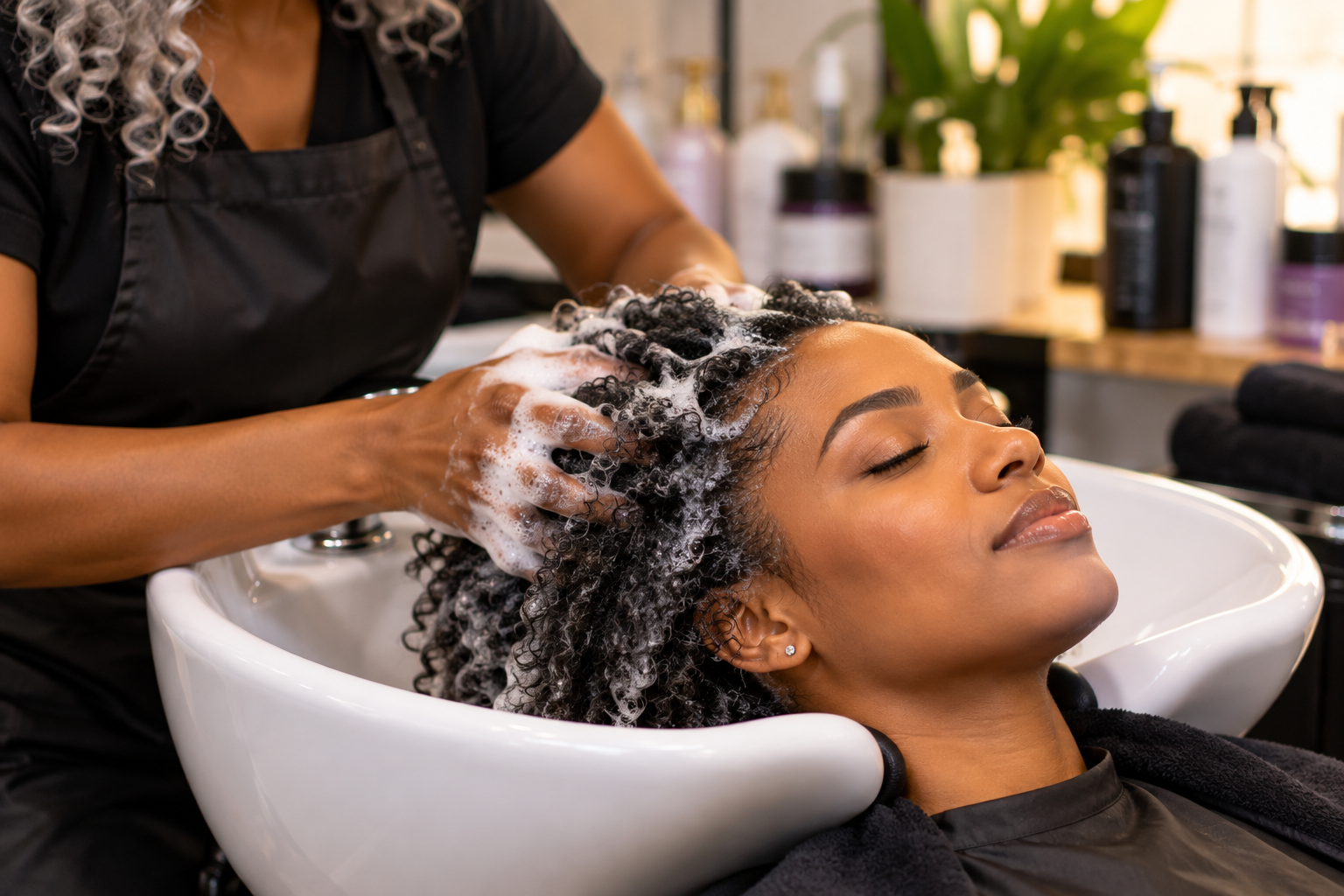
How Often Should You Wash Natural Hair?
Learn what can influence cleansing frequency and how to build a wash schedule around your scalp, hairstyle, and lifestyle.
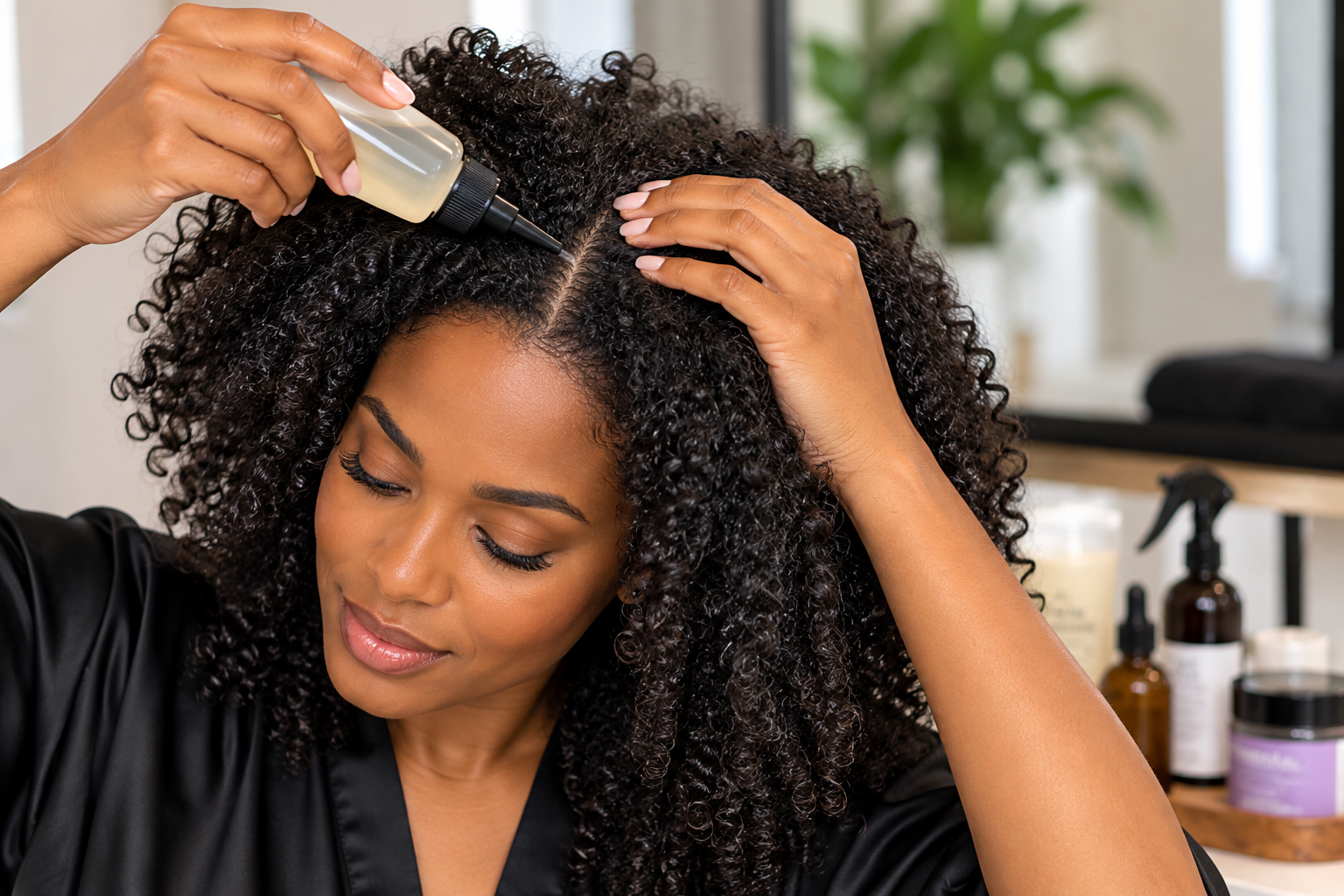
How to Keep Your Scalp Clean Between Wash Days
Explore practical ways to maintain scalp freshness without overloading the scalp with extra products.
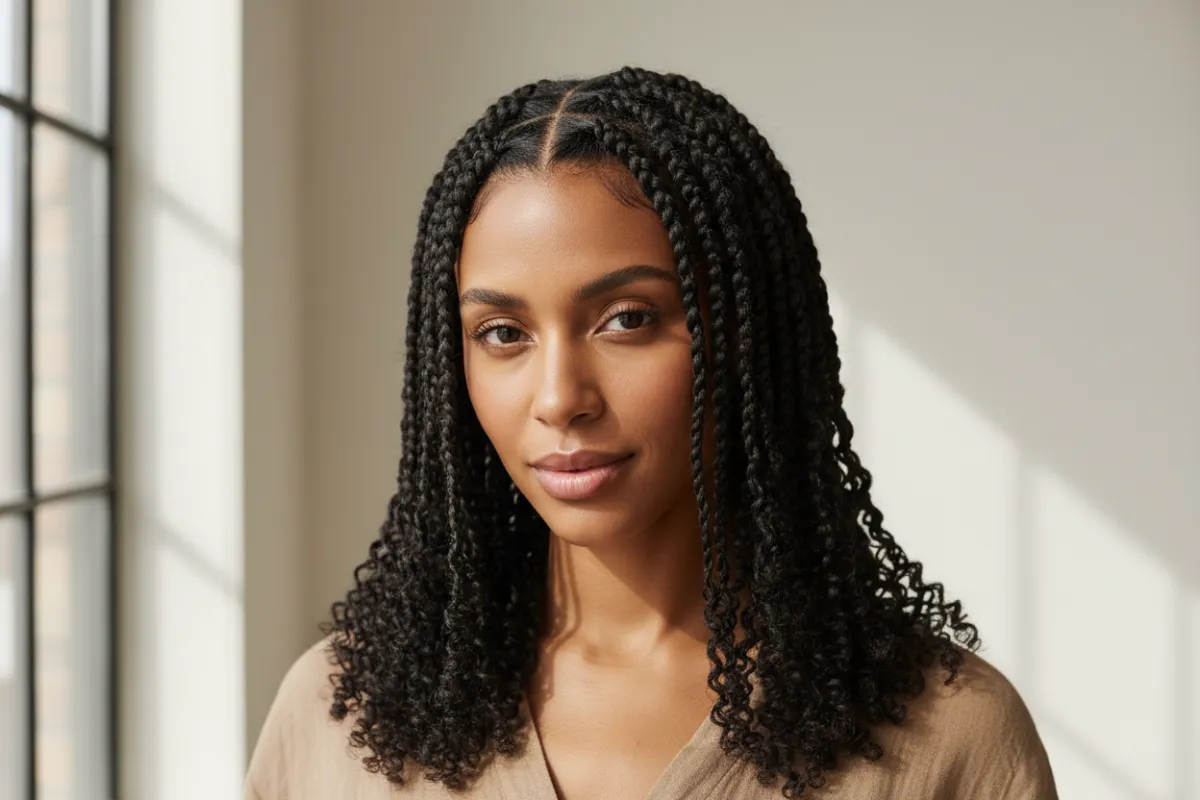
Scalp Care During Protective Styles
Protective styles can reduce daily manipulation, but the scalp still needs regular care while the style is being worn. Sweat, oil, styling products, and environmental residue can continue to collect even when the hair is braided, twisted, tucked away, or worn under a wig.
Healthy maintenance means keeping the scalp reasonably clean, avoiding excessive product layering, watching for unnecessary tension, and removing the style before buildup or discomfort becomes difficult to manage.
A protective style should make hair care easier - not prevent you from caring for the scalp.
Keep the Scalp Accessible
Styles should allow enough access to the scalp for light cleansing and routine maintenance when needed.
Avoid Excessive Product Layering
Repeatedly adding oils, sprays, gels, or creams can create residue over time, especially when the scalp is not being thoroughly cleansed.
Watch the Tension
Protective styles should feel secure, not painful. Ongoing tightness around the hairline or scalp can be a sign that the style is placing too much stress on the hair.
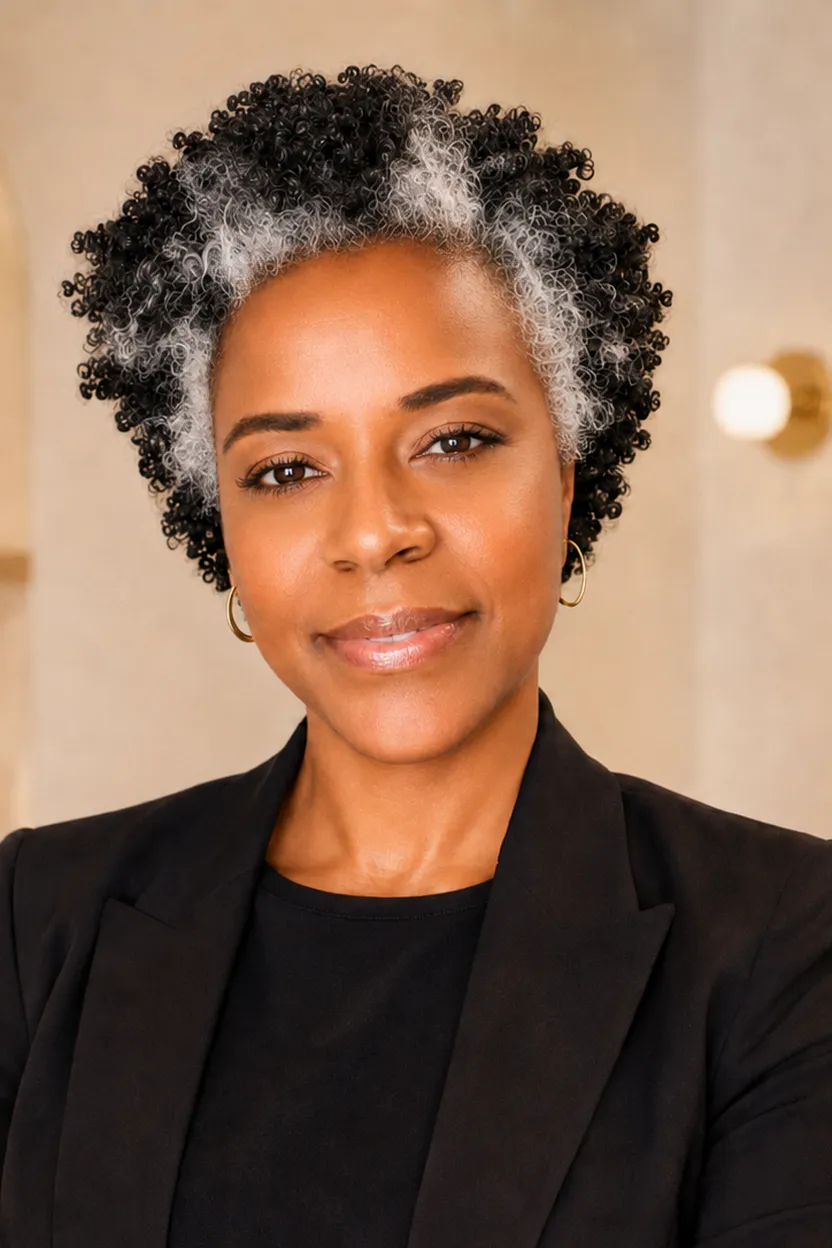
A Professional Perspective From Harmony Strands.
When someone tells me their hair is always dry, breaking, or difficult to manage, I do not automatically recommend another product. I look at the full routine, including cleansing, conditioning, buildup, styling habits, the condition of the ends, and how consistently the hair is maintained.
“
Ellisha Powell
Licensed Cosmetologist & Founder of Harmony Strands
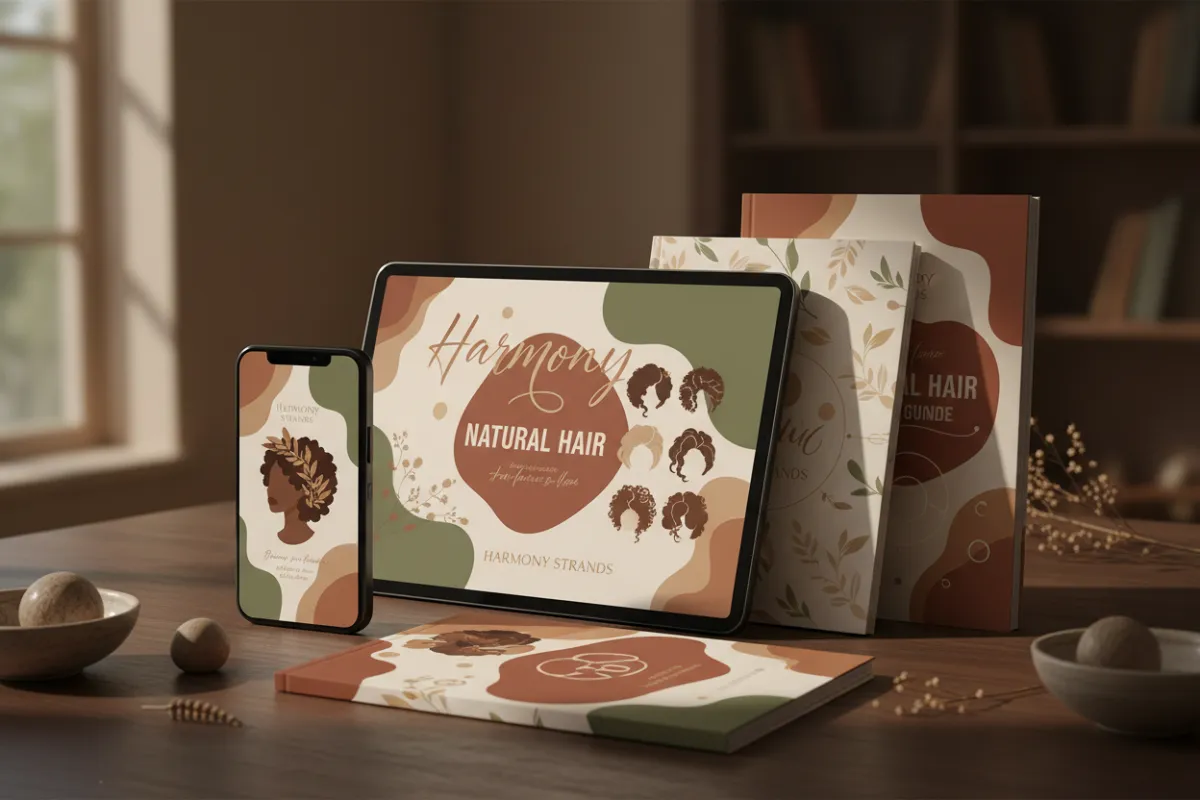
Take Your Hair Care
Knowledge Further
Explore digital guides and educational resources designed to help make natural hair care easier to understand and maintain at home.
Natural Hair Education,
Delivered to You
Get healthy hair tips, new articles, maintenance guidance, and updates on new Harmony Strands resources.
- Healthy natural hair education
- New blog articles
- Maintenance and moisture tips
- Updates on new digital guides

Subscribe for Healthy Hair Education
Enter your information below
By subscribing, you agree to receive educational emails and updates from Harmony Strands. You may unsubscribe at any time
Explore More Hair Education
Continue learning with educational resources focused on scalp health, protective styling, healthy ends, gray hair care, and professional hair color.
Company
Located inside Shear Salon & Studio Suites
Suite 103 • Slidell, Louisiana
Escape the Day. Embrace the Glow.


Contact Us
Open Hours
Monday to Friday: 9am to 8pm
Saturday: 9am to 4pm
Sunday: Closed
Harmony Strands by Ellisha Powell All Rights Reserved © 2026